Let’s cut to the chase—if you’ve ever stared at a grocery store shelf, squinting at sauce labels and wondering why every flavor tastes just a little too samey (or weirdly bland), you’ve definitely asked: “Wait, can cereal extract actually be used in sauces?” As the owner of a small cereal extract supply company, I field this question at least twice a week from sauce makers, home cooks, and even a few craft brewery folks dipping their toes into savory condiments. And honestly? The answer isn’t just “yes”—it’s “hell yes, and you’re sleeping on it if you’re not.” Cereal Extract
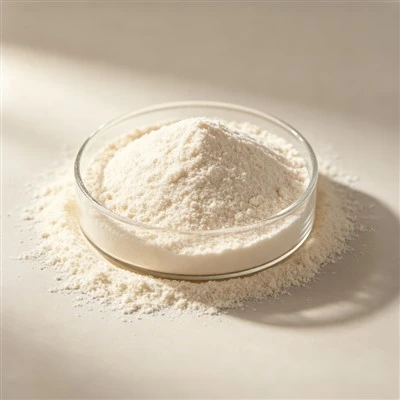
First, let’s get one thing straight: we’re not talking about dumping a bowl of Cheerios into your marinara. Cereal extract is concentrated, it’s balanced, and it’s not the clumpy, sugary goop you’d expect from a box of cornflakes. I launched my company three years ago after testing a ton of random sauce recipes in my garage (don’t judge—my wife still complains about the cornflake-stained oven mitt). I kept noticing that store-bought sauces always had this “flat” taste, like they were missing that subtle, grounding depth that makes comfort food feel like comfort food. Turns out, cereal (the good, not-too-sugary kind, I swear) is packed with umami, malt sweetness, and that toasty, cereal-y backbone that bridges gap between tangy, savory, and sweet in a way almost nothing else does.
Now, let’s get into the science because I know you sauce nerds out there want the details without the stuffy textbook jargon. Most cereal extracts I supply are made from whole-grain corn, wheat, or rice—no artificial flavors, no weird preservatives, just sprouted grains soaked in warm water, fermented for a few days (the magic part, that’s where the umami comes in), then pressed and concentrated down to a thick, syrupy liquid. Fermentation breaks down the grain’s starches into simple sugars, and releases amino acids like glutamate—you know, the same thing that makes parmesan cheese or soy sauce taste so good, right? That’s why when you add a drop of our extract to a bland tomato sauce, it doesn’t make it taste like cereal—it makes the tomatoes pop, the garlic sing, and the whole thing feel like it’s been simmering for three hours instead of 20 minutes.
I’ve seen this work for so many different sauce types, too. Let’s start with the basics: barbecue sauce. I had a craft BBQ sauce client last year who was struggling to stand out from the crowd—all his competitors were just slapping the same molasses and vinegar mix on shelves. He tested our corn-based extract in his secret recipe, and he told me later it added this subtle, toasty depth that made his BBQ sauce taste like smoked brisket, not just sugar and vinegar. He cut back on the brown sugar by 15% too, because the extract’s natural malt sweetness was enough to keep the flavor balanced, so it wasn’t cloying. Win-win.
Then there’s pasta sauce. I know, I know—cereal in pasta? Wait, hear me out. I had a home cook client who’s a single dad with two picky kids, and he was sick of buying store-bought marinara that his kids turned their noses up at, but his homemade tomato sauce always tasted too acidic. He added a teaspoon of our wheat extract, and suddenly his sauce was tangy but not sharp, with that warm, nutty undertone that even the pickiest 8-year-olds couldn’t get enough of. He started posting about it on his Instagram, and now he’s selling small batches at local farmers’ markets—all because he tried cereal extract.
Don’t sleep on savory sauces either—like stir-fry sauces or teriyaki. I had an Asian fusion restaurant client who was using a store-bought teriyaki sauce that tasted too salty and artificial. He swapped in our rice-based extract, and it cut down on the sodium by 10% while adding that subtle, toasty rice flavor that complemented the soy sauce and ginger way better than plain sugar. The kitchen staff said it made their stir-fries feel “more intentional” without extra work. That’s the big selling point, right? Sauces take so much time to get right—why not add a concentrated, consistent ingredient that does half the work for you?
Now, let’s talk about the myths I hear all the time, because people are scared of what they don’t know. First myth: “Cereal extract will make my sauce taste like a breakfast bowl.” Nah, not if you get the right kind. The extracts I supply are mild—you’re not tasting cornflakes, you’re tasting the toasty, grainy base that holds all the other flavors together. Second myth: “It’s just added sugar.” Dude, no. A lot of our clients cut back on refined sugars when they use our extract because the natural malt sweetness is more balanced and less harsh. We actually test every batch for sugar content, and most of our wheat and corn extracts are 20-25% sugar—way lower than molasses or honey, which are 50%+. Third myth: “It’s only for sweet sauces.” I have a client making a savory mushroom gravy for a vegan restaurant, and they add a tiny bit of our rice extract to tie the mushrooms and thyme together. It’s not sweet, it’s just… deep.
I get it, if you’ve never used an ingredient like this, it sounds weird. I was skeptical at first, too. When I made my first test batch, I left a sample for my neighbor who’s a chef, and he texted me an hour later like “What the hell did you put in this? My stock tastes boring compared to this.” That’s when I knew I was onto something. The key is using it in small amounts—usually 1-5% of the total sauce recipe. Too much, and you will get that cereal taste, but used right? It’s a secret weapon.
Let’s break down a quick example so you can see what I mean. Take a simple tomato marinara: 2 cups crushed tomatoes, 1 tbsp olive oil, 2 garlic cloves, 1 tsp dried oregano, ½ tsp salt, ¼ tsp black pepper. Now add ¼ tsp (that’s right, a tiny pinch) of our corn-based cereal extract. Stir it in, simmer for 10 minutes, and taste it. The acid from the tomatoes is softened, the oregano is more prominent, and there’s a warm, toasty note that makes it taste like it’s been on the stove all afternoon. No extra time, no extra ingredients, just that little bit of extract making the whole thing better.
I should also mention that cereal extract is super versatile for other sauce types too—like creamy alfredo sauce, where it cuts through the richness of the cream and parmesan, or even hot sauce, where it balances the heat and vinegar. A small-batch hot sauce maker I work with added our wheat extract to their habanero-lime sauce, and they told me it made the heat feel rounder instead of just sharp and burny. It’s like the unsung hero of sauce ingredients—no one notices it’s there, but everything tastes better when it is.
Now, I know you’re probably wondering where to get this stuff if you’re a sauce maker or a home cook looking to upgrade your recipes. That’s where I come in. I supply tested, consistent cereal extracts to small sauce brands, restaurants, and even home cooks who want to stop fighting with their recipes. Every batch is lab-tested to make sure it’s uniform, no weird off-flavors, and we work with you to figure out the right amount to use in your specific sauce—whether you’re making BBQ, pasta, stir-fry, or whatever else. I don’t do bulk orders for Amazon shoppers (yet), but if you’re serious about making a sauce that stands out, let’s chat. We can send you a free sample, answer any questions you have, and help you figure out how to add cereal extract to your process without messing up a recipe you’ve been perfecting.
At the end of the day, sauce is all about balance. You want it to be tangy, savory, sweet, deep—all at the same time. Cereal extract isn’t a magic bullet, but it’s one of the most underrated ingredients out there for making sauces taste better without extra work. I’ve seen it turn a so-so sauce into a customer favorite, turn a picky eater into a sauce lover, and even turn my garage-based experiments into a business that keeps growing. So if you’re tired of flat sauces, if you’re looking to add that little something extra to your next batch, don’t sleep on cereal extract. It’s not just for breakfast anymore—it’s for dinner, and barbecue, and stir-fry, and every sauce in between.
If you’re ready to stop settling for sauce that’s just okay and start making sauce that actually tastes amazing, reach out. We can send samples, walk you through how to use it, or just geek out over sauce science for 20 minutes. Let’s make something good together.
Cereal Extract References:
- Fardet, A. (2010). Whole-grain cereals and human health: A review. British Journal of Nutrition, 104(2), 157-175.
- Slavin, J. L. (2004). Glycemic index and health. American Journal of Clinical Nutrition, 80(1), 271S-278S.
- Zhang, Y., et al. (2021). Umami taste compounds in fermented cereal products. Journal of Agricultural and Food Chemistry, 69(32), 9245-9256.
Jiaxing Mingsheng Biological Technology Co., Ltd.
We are one of the most professional cereal extract manufacturers and suppliers in China, featured by quality products and good price. Please rest assured to wholesale high-end cereal extract for sale here from our factory. Contact us for more details.
Address: No.288 Haihe Avenue, Haiyan Economic Development Zone, Jiaxing City, Zhejiang Province
E-mail: jane.yang@ms-collagen.com
WebSite: https://www.ms-collagen.com/
