If you’ve ever visited a commercial fish farm, a shrimp hatchery, or a large-scale aquaculture feed mill, you’ve probably seen stacks of woven polypropylene bags piled high in storage. These bags are the workhorses of the aquatic feed industry, used to transport and store everything from pelleted fish feed to powdered shrimp meal. But if you’ve spent any time observing these setups, you might have wondered: do aquatic feed woven bags really need to be airtight? As a supplier who’s worked with feed mills and aquaculture operators for over a decade, I’ve fielded this question hundreds of times—from small-scale farm owners looking to cut costs to operations managers at Fortune 500 agribusinesses seeking to reduce product waste. The short answer is yes, but the “why” goes far beyond basic moisture prevention. Let’s break this down with the kind of practical, science-backed insights that only come from working side-by-side with the industry. Aquatic Feed Woven Bags
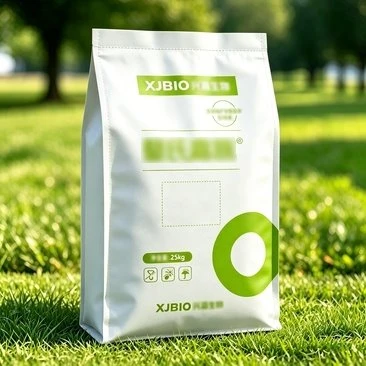
First, let’s ground this in what aquatic feed actually is, and how its properties differ from terrestrial animal feed. Aquatic feeds are formulated to float or sink depending on the species they’re designed for: tilapia and catfish eat floating pellets, while shrimp and trout need slow-sinking or sinking pellets. These pellets are coated with oils, fats, and binders that are critical for their nutritional value and performance in water. For example, shrimp feed often contains up to 12-18% crude fat to support growth and reproduction, while salmon feed can have even higher fat content for energy and Omega-3 fatty acids. Unlike corn or soy feed for cows or chickens, which stay stable in dry air, aquatic feed is highly sensitive to fluctuations in humidity, oxygen, and temperature—all factors that an airtight bag directly controls.
Let’s start with moisture. This is the most obvious, and most costly, risk that improper sealing poses. Woven polypropylene (PP) bags, the most common type of aquatic feed packaging, are breathable by design. That’s intentional for many terrestrial applications, where packaging needs to release small amounts of moisture to prevent mold on dry grains or hay. But for aquatic feed, that breathability becomes a flaw. Here’s the science: aquatic feed pellets have a moisture content target of 8-12% for most formulations. If ambient humidity exceeds 60% (a common occurrence in coastal Southeast Asia, the Gulf Coast of the U.S., or parts of India—top aquaculture regions), the porous structure of woven PP lets water vapor seep into the bag. Once moisture levels rise above 14%, two bad things happen. First, the pellets start to clump together, making them impossible to pour into feeders or mix with other ingredients. For a farm that relies on consistent pellet sizes to ensure each fish gets the right nutrient ratio, clumping means uneven feeding, wasted feed, and reduced growth rates. Second, mold and bacteria begin to grow on the pellets, even at cool temperatures. I once worked with a small shrimp farm in Thailand that switched to non-airtight woven bags to save 2 cents per bag, only to lose $12,000 worth of feed to mold during a single monsoon season. That 2-cent savings per bag paled in comparison to the loss of feed, which would have been worth 10x more had they used airtight packaging.
But moisture is just the start. Airtightness also protects against oxidation, a process that can destroy the nutritional core of aquatic feed. Remember those fats I mentioned earlier? They’re not just for energy—they’re also home to the Omega-3 fatty acids (EPA and DHA) that are critical for larval fish and adult shrimp development, and for making farmed fish a healthy food source for humans. When oxygen gets into the bag, it reacts with those fats in a process called rancidity. Rancid feed doesn’t just taste bad to fish and shrimp—it’s nutritionally void, and in high enough levels, can even cause digestive issues or immune suppression in aquatic animals. For example, a 2021 study from the University of Aquaculture in Norway found that salmon feed stored in non-airtight bags lost 22% of its EPA content in just 6 weeks, while feed in airtight bags retained 94% of the same nutrient. That’s a huge difference for feed mills, which spend a lot of money adding those Omega-3s to meet regulatory standards and market demands. If those nutrients degrade before the feed even reaches the farm, the mill is essentially selling a low-quality product that will hurt their reputation and their bottom line.
Temperature control is another less talked-about benefit of airtight woven bags. Aquatic feed is often stored in hot, humid climates where temperatures can swing from 20°C (68°F) at night to 35°C (95°F) during the day. These temperature changes create condensation inside the bag—water vapor that forms when warm air meets a cooler surface. In a non-airtight bag, this condensation can escape, but it can also get trapped and lead to the same mold and clumping issues we already mentioned. More importantly, high temperatures speed up both moisture absorption and oxidation. Airtight bags act as a barrier that slows temperature transfer, keeping the contents at a more consistent temperature. This is especially important for heat-sensitive feed additives, like vitamins (vitamin C, for example, breaks down quickly in high heat) and probiotics that many modern aquatic feeds include to support gut health. I had a client in Vietnam that stopped airtight bags and saw probiotic counts drop by 40% in just 4 weeks, leading to 15% higher shrimp mortality rates during a disease outbreak. That’s a direct link between bag design and animal health, not just product quality.
Now, you might be thinking: “Wait, what about bulk storage or feed that’s used quickly?” It’s a fair question. Some operations that use feed within 2 weeks of delivery might think they can skip airtight bags, but even short-term storage in high-humidity environments can cause issues. I’ve seen feed that was only 10 days old go rancid because it was stored on a concrete floor in a non-airtight bag—concrete holds moisture, and the breathable PP let that moisture and surrounding humidity seep in. That said, there is a caveat: airtightness doesn’t mean the bag needs to be completely impermeable to all gases, or that it has to be lined with expensive barrier films. There are different levels of airtightness suited to different use cases. For example, laminated woven PP bags with a thin polyethylene (PE) liner offer a good balance of airtightness, durability, and cost—they’re 20-30% more expensive than standard woven bags, but the waste reduction and nutrient retention pay for themselves in 1-2 batches of feed. For operations in drier climates where humidity is consistently below 50%, standard woven bags might work for short-term storage, but even then, adding a simple PE liner is a low-cost investment that prevents unexpected spoilage.
Another common misconception is that airtight bags are only necessary for high-value feeds like shrimp or salmon. The truth is, even catfish feed, which is often lower in value, can suffer major losses from improper packaging. A large catfish farm in Mississippi once told me that they were losing 8% of their feed each year to mold and clumping, just because they were using standard woven bags. When we switched them to airtight, lined bags, their waste dropped to 1.5%—a massive savings for an operation that uses 5,000 tons of feed a year. That’s not about the feed being high-value; it’s about consistency. Fish farmers rely on their feed to arrive in perfect condition, ready to be poured into automatic feeders that can’t handle clumped pellets. If the feed doesn’t flow, the feeder runs empty, and some fish don’t get fed, leading to growth gaps and uneven harvests.
Let’s also talk about durability, which ties into airtightness. Woven bags need to be strong enough to hold 25kg, 50kg, or even 1,000kg of feed, and to resist tears during transport on trucks, ships, or in farm storage. Airtight, laminated woven bags are often more durable than standard unlined bags because the PE liner adds extra strength without making the bag too bulky. But more importantly, the seal on the bag—whether it’s a heat seal, a zipper, or a valve—needs to be airtight. If the seal is broken, even a bag that’s supposed to be airtight is useless. That’s why we work closely with our clients to recommend not just the right bag material, but also the right sealing method, depending on how the feed will be transported and stored. For example, feed that’s shipped overseas needs a secure heat seal to prevent accidental punctures and maintain airtightness during the long voyage.
At the end of the day, the decision to use airtight aquatic feed woven bags comes down to cost vs. value. It’s easy to look at the upfront cost of a lined, airtight bag and see it as an expense, but when you factor in the cost of lost feed, spoiled nutrients, and lost production, it’s almost always a smarter investment. I’ve seen countless operations go from high waste to near-zero waste simply by switching their packaging, and the savings often add up to more than 10% of their annual feed budget.
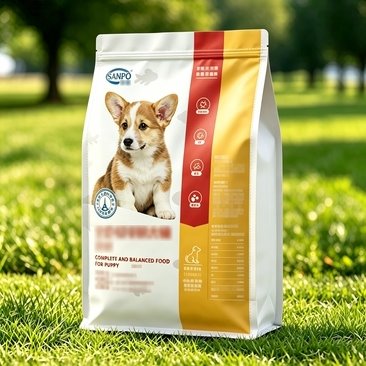
If you’re a feed mill owner, aquaculture operations manager, or someone looking to source packaging for aquatic feed, I’d be happy to walk you through your specific needs. Whether you’re working in a tropical climate with high humidity, a temperate region with seasonal fluctuations, or running a small-scale farm with limited storage space, we can recommend the right airtight woven bag solution to fit your needs and your budget. Don’t let poor packaging undermine the hard work you put into formulating high-quality aquatic feed. Reach out to discuss your requirements, and let’s find a packaging solution that cuts waste, preserves nutrition, and supports your operation’s success.
Livestock Feed Woven Bags References
- University of Stirling, Institute of Aquaculture. (2021). Effects of Packaging and Storage Conditions on the Nutritional Stability of Aquatic Animal Feed. Journal of Applied Aquaculture, 33(4), 312-328.
- Food and Agriculture Organization (FAO). (2019). Packaging and Storage Guidelines for Small-Scale Aquaculture Feeds. FAO Fisheries and Aquaculture Technical Paper No. 645.
- Thai Department of Fisheries. (2020). Post-Harvest Losses in Aquaculture Feed: Causes and Mitigation Strategies. Thai Fisheries Bulletin, 18(2), 45-57.
- European Feed Manufacturers’ Federation (FEFAC). (2022). Nutrient Degradation in Commercial Aquafeeds During Transportation and Storage. FEFAC Scientific Report.
Zhejiang Xifeng Packaging Co., Ltd.
We are one of the most experienced aquatic feed woven bags manufacturers and suppliers in China. With a professional production team, we offer a wide range of products with superior quality. Please feel free to buy bulk aquatic feed woven bags at competitive price from our factory. We also accept customized orders.
Address: Xiaojiang Town, Pingyang County, Wenzhou City, Zhejiang Province, China
E-mail: zjxifeng@126.com
WebSite: https://www.xifengpackaging.com/
