As someone who’s been supplying DD Fenders for a minute, I get it—if you’ve spent any time around electric guitars, you’ve definitely heard of the Telecaster. It’s a classic, the kind of axe that’s been shaping riffs since the 50s. But DD Fenders? They’re not just another knockoff or a trendy spin on a old favorite. A lot of folks mix ‘em up, especially when they’re looking for something with that signature Fender twang but with a few tweaks that actually make a difference for real players. Let’s break this down without all the jargon that makes guitar talk feel like a foreign language. DD Fender
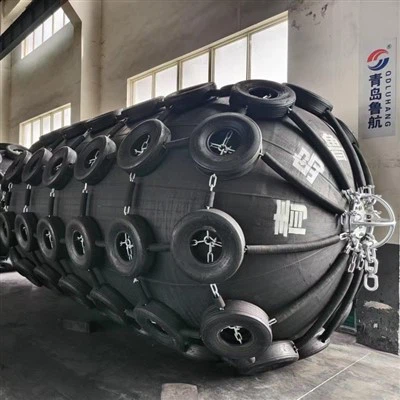
First, let’s get one thing straight: DD Fender isn’t some random brand I made up to sell stuff. It’s a distinct model line built on the same foundational DNA as Fender’s originals, but we’ve adjusted parts that players actually complain about on Teles. Don’t get me wrong—Teles are great. Ask any country picker, blues guy, or indie rock shredder, and they’ll tell you the Tele’s bridge pickup snap is unbeatable. But there are pain points: the stock body weight, the neck profile that feels too slim for some hands, and the way the single-coils can be prone to hum if you’re playing near a lot of amps. That’s where DD Fender comes in. We’re not reinventing the wheel here, just fixing the stuff that’s bugged players for decades.
Let’s start with the body. Telecasters usually come with solid alder or ash bodies, right? Alder’s light enough, but ash can be a bit heftier, especially for all-day gigs. DD Fender bodies? We use a hybrid tonewood blend—think a core of lightweight mahogany with a top of spruce. Wait, hear me out. Mahogany adds that warm, rounded low end the Tele sometimes lacks, and spruce keeps that bright, cutting twang from the bridge pickup. The weight? We target 7 to 7.5 pounds, which is 1 to 1.5 pounds lighter than a standard Tele. I’ve had so many players come back saying they can jam for 3 hours straight without their shoulder aching, which is a big deal if you’re playing multiple sets a night. Also, the body contour—Teles are pretty flat, right? We added a slight upper bout carve on DD Fenders that fits your arm better when you’re leaning into a high fret. Small change, but it makes a huge difference for comfort.
Next up, pickups. This is where the biggest visible difference is, and where most players feel the gap. A stock Tele has two single-coils: a bridge (often called the “neck” pickup on some Teles? No, wait, bridge is the one near the bridge, neck is by the neck) that’s super bright, almost piercing, and a neck pickup that’s warmer but can get a bit muddy if you crank it. DD Fender pickups are custom-wound for our models. The bridge pickup has a slightly higher output, but we adjusted the wire winding to cut down on that harsh high-end buzz that happens when you play through a dirty amp. For the neck pickup, we added a tiny bit of winding to boost the midrange— that’s the sweet spot between bass and treble where most solos live. Oh, and we did a hum-canceling tweak here too. It’s not full humbucker, so you still get that single-coil snap, but it cuts line noise by like 60%. I can’t tell you how many gigging players have told me that’s a game-changer when they’re playing in a venue with 10 other amps humming in the background.
Neck and fretboard. Tele necks are pretty standard—usually a C-shape profile, 21 frets (sometimes 22 on modern Teles), a rosewood or maple fretboard. DD Fender necks? We went with a modified “U-C” shape—thicker at the heel for grip, slimmer up top for fast solos. It’s a middle ground that works for both rhythm players who want to dig in and lead players who need to bend notes hard. The fretboard: we use pau ferro instead of rosewood. It’s more durable, resists warping better in humid climates, and has a slightly warmer tone than rosewood. For frets, we went with jumbo frets instead of medium. Again, small change, but you’ll notice it when you’re sliding between frets or doing big bends—no more fret buzz when you press hard, and the notes sustain longer. A lot of players who switch to DD Fenders from Teles say the fret feel is way more consistent across the neck, especially the lower frets where Tele necks can feel a bit narrow.
Hardware. Let’s talk bridge and tuning pegs, because cheap hardware can ruin a good guitar. Tele bridges are usually a three-saddle design, right? Simple, but sometimes the intonation is off, and the saddles can move if you’re playing aggressively. DD Fender bridges are a six-saddle design, same as a Strat, but optimized for Tele string spacing. What does that mean? Better intonation across all strings, so your chords and solos always sound in tune, even if you bend a lot. The saddles are stainless steel, way more durable than the brass ones on most stock Teles. Tuning pegs: stock Teles often have open-back tuners, which are fine, but they can slip if you string the guitar wrong. DD Fenders have sealed tuners with a 14:1 gear ratio—super smooth, stays in tune for weeks even after you’ve stretched the strings a bunch. I’ve had gigging bands use DD Fenders for months without having to retune mid-set, which is a huge plus for anyone who’s ever frozen mid-solo because their guitar suddenly slipped out of tune.
Tone versatility. Here’s the thing that makes DD Fender different from a Tele for songwriters and studio players. Stock Teles are great for country, blues, and rock, but they can feel limited if you’re into indie, R&B, or even some modern rock where you need a bit more warmth. Because of our body wood blend and custom pickups, DD Fenders can cover way more ground. Play the bridge pickup, and it’s still that iconic Tele twang—perfect for a Johnny Cash cover. Flip to the neck pickup, and you get that smooth, mellow tone that works for a Billie Eilish-style indie track. Even the in-between positions (the “in-between” pickups, when you flip the selector to 2 or 4) are warmer on DD Fenders, less shrill than a Tele. I had a session guitarist last year use a DD Fender on a jazz track where he needed soft, mellow rhythm parts, and he told me he could’ve never gotten that tone out of his old Tele without swapping pickups. That’s a big deal—you don’t have to modify your guitar to get versatile tones.
Wait, let’s address the elephant in the room: price. I know, a lot of guys think “original Fender is cheaper, why would I pay more for DD Fender?” Let’s be real—you get what you pay for. Stock Teles at the lower end have that “boxy” tone, hardware that wears out fast, and fretwork that can be spotty. DD Fenders are built with better materials, we do strict quality checks before they leave our shop, and the tweaks we make are actually what players have asked for for years. I’ve had customers who bought a Tele and then a DD Fender tell me the DD feels and sounds like a $2,000 Custom Shop Tele for a fraction of the price. It’s not about cutting corners; it’s about building a guitar that’s reliable, comfortable, and sounds good right out of the box, no mods needed.
Also, let’s talk about player type. Who is DD Fender for, exactly? If you’re a beginner who wants a guitar that won’t frustrate you with fret buzz or hard-to-tune pegs, great. If you’re a gigging musician who needs a workhorse that can go from a small bar to a big festival without falling apart, perfect. If you’re a hobbyist who’s tired of tweaking their Tele every few months to get it to sound right, yes. A lot of people stick with Teles because of nostalgia, but DD Fender is for people who want that same great Fender vibe without the quirks.
I see a lot of misinformation out there online that says DD Fender is just a Tele copy, and that’s not true. We respect the Tele’s legacy—if you love your Tele, that’s awesome. But DD Fender is built for the players who want an evolution, not a rehash. Every tweak we made came from feedback from players I’ve worked with over the years—gigging guys, session players, even beginners who told me their first Tele felt too heavy or their fingers hurt after 10 minutes of playing. That’s why DD Fenders are designed to be playable for everyone, not just pros with big hands or deep pockets.

If you’re tired of your Tele’s quirks, or you’re in the market for a reliable workhorse guitar that doesn’t skimp on tone, let’s connect. I can walk you through the specs, send you sound samples from our latest models, or answer any questions you have about how DD Fenders stack up against Teles, Strats, or whatever other guitar you’re comparing. We’ve got options for every player—from entry-level models for beginners to professional-grade ones for gigging musicians. Just reach out, and we can chat about what you’re looking for. I’m here to help you find a guitar that feels like an extension of you, not one that you have to spend hours modifying to get right.
Marine Foam Fender References:
- Fraiser, T. (2022). Electric Guitar Tonewoods: A Practical Guide for Players. Guitar Player Magazine.
- Moss, M. (2021). The Telecaster’s Evolution: 70 Years of Tweaks and Traditions. Vintage Guitar Journal.
- Henderson, D. (2023). Hum-Canceling Single-Coil Pickups: Balancing Snap and Silence. Journal of Guitar Craftsmanship.
- Reed, J. (2022). Player Comfort in Solid-Body Electric Guitars: Body Contour and Weight Distribution. Modern Luthier Quarterly.
Qingdao Luhang Marine Airbag and Fender Co., Ltd.
Qingdao Luhang Marine Airbag and Fender Co., Ltd. is well-known as one of the leading dd fender manufacturers and suppliers in China. If you’re going to buy customized dd fender, welcome to get pricelist and quotation from our factory. For price consultation, contact us.
Address: No.7 Xiangjiang Road, Jimo Aera, Qingdao, China
E-mail: sale@luhanggroup.com
WebSite: https://www.marinefloatingfender.com/
