If you’ve ever stood in front of your mop caddy after a deep clean, staring at a waterlogged mop head, crusty wringer rollers, and a slimy handle grip, you know the small accessories that come with your mop are easy to overlook—until they start holding dirt, spreading grime, or shortening the life of your entire cleaning setup. As a mop accessories supplier, I’ve worked with hundreds of housekeeping teams, office maintenance staff, and residential homeowners who dismiss regular accessory cleaning as a trivial chore, but the truth is: these small parts are the unsung heroes of your cleaning routine. A dirty wringer roller can leave streaks on hardwood floors, a mildew-ridden mop head base can transfer bacteria across your floors, and a frayed handle grip can make even the simplest mopping session feel like a workout. Today, I’m breaking down exactly how to clean every key mop accessory, why it matters, and the science-backed tips I’ve learned over years of supplying high-quality, durable mop parts to customers around the world. Mop Accessories
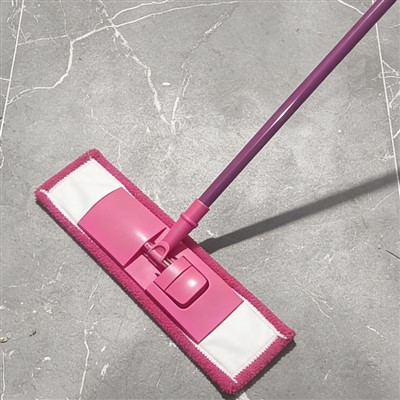
First, let’s start with the most frequently used accessory: the mop head. Whether you’re using a microfiber flat mop, a string cotton mop, or a twist mop, the head bears the brunt of every drop of dirt, food residue, and household grime it picks up. What many people don’t realize is that not all mop heads are created equal, so cleaning methods should match the material. Microfiber heads, for example, are electrostatic and designed to trap tiny particles like dust mites and pet dander. If you toss a microfiber head in hot water with fabric softener, you’re ruining its charge—fabric softener coats the microfiber strands with a chemical film that repels dirt and reduces its cleaning power by up to 30%, according to textile material science research. For microfiber mop heads, the correct cleaning routine is: after every use, rinse the head under cold or lukewarm water (hot water can set stains and degrade the microfiber’s elastic fibers) until the water runs completely clear, no murk or dirt left. Once rinsed, launder it in a washing machine on a gentle cycle with a mild, plant-based detergent—avoid bleach, which breaks down the synthetic fibers over time, and fabric softener, as mentioned. For heavily soiled microfiber heads (like after mopping up tomato sauce or mud), add a half cup of white vinegar to the wash; vinegar cuts through grease and mineral deposits left by hard water without damaging the microfiber’s texture. After washing, hang the head to air dry in direct sunlight if possible. UV rays from the sun act as a natural disinfectant, killing 99.9% of bacteria and mildew that can grow in damp mop heads. I can’t tell you how many times I’ve had a customer return a prematurely frayed microfiber mop head, only to find they washed it with fabric softener. That’s the kind of avoidable waste we see all the time, and proper cleaning is the simplest fix.
Next up, wringer components—whether that’s the rollers on a traditional bucket-style wringer, the squeeze mechanism on a floor mop handle, or the hands-free wringer on a spin mop bucket. These parts are often neglected because they’re not in direct contact with the floor, but they’re covered in the same water and dirt that drips off your mop head, plus they’re exposed to soap residue and hard water minerals. For rubber or silicone wringer rollers, start by wiping them down with a damp cloth dipped in a mix of warm water and mild dish soap, then use an old toothbrush to scrub between the crevices where lint, hair, and grime get trapped. Hair is a big one here—long hair can wrap around rollers and make them less effective at squeezing excess water out of your mop, leading to water spots and slippery floors. For stubborn stains or mineral buildup (common in areas with hard water), soak a cloth in equal parts white vinegar and warm water, wrap it around the rollers, and let it sit for 15 minutes. The vinegar dissolves calcium and magnesium deposits without scratching the rubber surface. If your wringer is made of plastic, like many modern spin mop buckets’ inner mechanisms, avoid harsh scouring pads—they can scratch the plastic, creating tiny crevices where bacteria and grime can hide. Instead, use a soft sponge with baking soda mixed into a paste for gentle scrubbing. I always advise customers to clean wringer components at least once a week during heavy cleaning seasons (like spring or after holiday events) and every two weeks during light use, because a dirty wringer can contaminate every mop load after that.
Then there’s the mop handle, the part that’s in direct contact with your hands every time you clean. Think about it: every time you touch the handle after touching a dirty floor, after opening a door, after taking out the trash—all those bacteria and germs transfer right to the grip. Even worse, if you have a metal or plastic handle, it can develop a sticky residue from soap or cleaning products, or even mildew in the seams between the grip and the handle base. For handle grips, the cleaning method depends on the material. Foam or rubber grips (common on budget mops) can be wiped down with a disinfectant wipe or a mix of warm water and antibacterial soap, then dried thoroughly to prevent mildew growth on the foam. If the grip is plastic or metal, use a soft cloth with a small amount of rubbing alcohol—alcohol evaporates quickly, so it won’t leave a residue, and it kills 99.9% of germs including E. coli and salmonella, which is important if you’re mopping around food areas like kitchens. For handles with seams, like those that twist to extend or adjust, use a cotton swab dipped in rubbing alcohol to clean out the tiny gaps where dirt gets stuck. Another pro tip: if your handle has a lot of sticky residue from cleaning products, mix a little bit of dish soap with warm water and use an old toothbrush to scrub the grip gently, then rinse and dry completely. I’ve seen customers with family homes make the mistake of only cleaning their mop handle once a month, and it’s not uncommon to find crumbs, pet hair, and even food residue stuck in the grip. It’s a small task, but it makes a big difference for overall hygiene.
What about the less obvious accessories? Things like the mop base (the plastic or metal piece that attaches the mop head to the handle), the spin mop bucket’s mesh screen, or the release button on a flat mop. These parts are easy to forget, but they play a huge role in how your mop functions. The mop base, for example, can get gunked up with old detergent residue and dirt, which makes it hard to attach or remove the mop head. To clean it, remove the mop head, then wipe the base with a damp cloth, using a toothbrush to scrub around the attachment pins or clips. If there’s caked-on dirt, soak the base in warm, soapy water for 10 minutes before scrubbing. The spin mop bucket’s mesh screen is designed to filter out debris from the water, but over time, it can get clogged with lint and hair, which makes the spin cycle less effective and means water stays in the mop head. To clean the mesh screen, remove it from the bucket and rinse it under hot water, using a small brush to dislodge any trapped particles. For tough clogs, soak it in a mix of warm water and vinegar for 20 minutes, then rinse again. I always remind my business customers to check their mesh screen before a big cleaning event, because a clogged screen can lead to longer cleaning times and water that’s not properly wrung out.
Now, let’s talk about common mistakes people make when cleaning mop accessories, especially those that shorten the lifespan of the parts. One of the biggest is using hot water for all accessories—hot water can degrade rubber, warp plastic, and set stains on fabrics, so it’s not a one-size-fits-all solution. Another mistake is not drying accessories after cleaning. Leaving a damp mop head in a closed caddy or a wet wringer in a bucket is a recipe for mildew and bacterial growth, which can then be spread across your floors during the next clean. I always tell customers to hang mop heads to air dry completely after each use, and to leave wringer and handle parts out in the open (not stored in a sealed bucket) until they’re 100% dry. Another mistake is mixing bleach with other cleaning products, especially when cleaning microfiber heads or plastic parts. Bleach can cause microfiber to fade and break down, and when mixed with ammonia (common in some dish soaps), it can release toxic fumes. Stick to mild detergents, vinegar, rubbing alcohol, and baking soda—these are all safe, effective, and gentle on mop accessory materials.
As a supplier, my goal is to provide accessories that are durable, affordable, and easy to maintain, because I know that even the best parts won’t last if they’re not cleaned properly. Over the years, I’ve noticed that customers who follow these simple cleaning tips save money in the long run—they don’t have to replace mop heads, wringers, or handles as often, and they get better cleaning results because their accessories are working at full capacity. A well-cleaned microfiber mop head, for example, can last up to a year with regular care, while a neglected one might need to be replaced every two months. That’s not just good for your wallet—it’s better for the environment, too, since less waste means fewer parts ending up in landfills.

If you’re a property manager, a small business owner, or a homeowner looking to upgrade your cleaning routine, investing in high-quality mop accessories and keeping them clean is one of the best decisions you can make. Whether you need replacement microfiber mop heads, durable wringer rollers, or heavy-duty handles, we offer a range of parts designed for easy maintenance and long-term use. If you’re ready to source mop accessories for your business, replace worn parts in your home cleaning setup, or learn more about how our products can fit your needs, we’re here to help.
Flat Mop [References: Textile Institute. (2019). Performance characteristics of microfiber cleaning textiles. Journal of Cleaning Science; Environmental Protection Agency. (2021). Household cleaning product safety guide; American Society for Microbiology. (2020). Germ transfer on commonly used household cleaning tools.]
Yongkang Zhechu Daily Necessities Co., Ltd.
We’re well-known as one of the leading mop accessories manufacturers and suppliers in China, specialized in providing high quality customized products. We warmly welcome you to buy discount mop accessories in stock here from our factory. Contact us for free sample.
Address: Take Elevator Number 2 to the Fourth Floor of No.58 Hongye Road, Xixi Xishan Industrial Zone, Longshan Town, Yongkang City.
E-mail: 1733131066@qq.com
WebSite: https://www.zcryp.com/
