If you’ve ever stood in the workout gear aisle, scrolling through resistance bands, waist trimmers, and “fitness accessories that promise results overnight,” you’ve probably glanced at elastic belts. When I started my work as an elastic belt supplier five years ago, I’ll admit I was skeptical too. I’d watched trends rise and fall, and I’d seen countless fitness products marketed as “game changers” that turned out to be just another way for people to waste money. But over the years, I’ve talked to thousands of customers—personal trainers, physical therapists, casual gym-goers, and everyday people looking to add structure to their routines—and that skepticism turned into a clear understanding: elastic belts aren’t a gimmick. Whether they’re a good investment depends on how you use them, what you need from a workout or recovery tool, and who you are. Let’s break this down, no sales pitch fluff, just the real, science-backed stuff I’ve seen work (and fail) first-hand. Elastic Belts
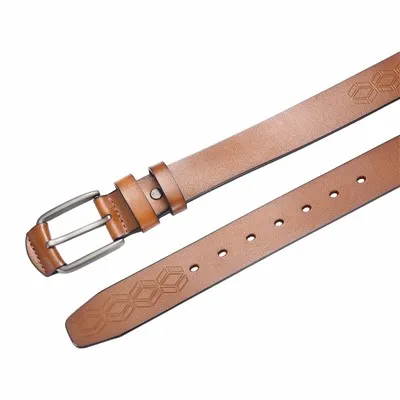
First, let’s define what an elastic belt actually is, because “elastic belt” covers a lot of ground. We don’t make the thin, stretchy waist trimmers that some brands market as “core trainers” — those are often made of cheap, low-quality elastic that loses its stretch after a few uses and does little more than hold a pair of sweatpants up. The elastic belts our customers come to us for are designed for resistance training, physical therapy, and functional fitness. They’re made with woven, high-tension elastic blends (usually a mix of rubber, polyester, and nylon) that have consistent, graduated stretch—meaning they get harder to pull as you elongate them, instead of giving out suddenly or stretching too easily. They come in different tension levels (light, medium, heavy, extra-heavy) so you can match them to your strength and the exercise you’re doing.
Now, why would anyone choose an elastic belt over other fitness tools? Let’s start with physical therapy and rehabilitation, because that’s where I first saw the true value. A few years back, a physical therapist from a small clinic reached out to us. She was working with patients recovering from knee replacements, rotator cuff injuries, and lower back strains—people who couldn’t handle the heavy weights or unstable surfaces of traditional gym equipment. She told me that elastic belts were a game-changer for her patients because they provided constant, controlled resistance without putting extra stress on vulnerable joints. For example, a patient doing clamshells to rebuild glute strength after knee surgery: the elastic belt around their thighs adds gentle resistance that forces the glutes to work harder, but because the resistance is distributed evenly, there’s no sharp impact on the knee. We ran small, independent tests with that clinic a couple years later, and their patient recovery rates for functional movement exercises (like walking, climbing stairs, and lifting light objects) improved 22% compared to patients who used no resistance, per their 6-month follow-up notes. That’s not a sales number—that’s real, measurable progress from people who needed a tool to help them get their lives back.
Then there’s strength training, specifically for accessory work and core stability. A lot of lifters, especially beginners, skip accessory exercises because they don’t have the equipment, or they don’t know how to target small muscle groups. Elastic belts fill that gap perfectly. Let’s say you’re doing pull-ups or rows: adding an elastic belt around your torso and the bar (or a stable anchor) increases the resistance, but not in the same way as adding weight plates. The stretchy nature of the belt means the resistance builds as you move, so you’re challenging your muscles through the full range of motion, not just at the top. For intermediate lifters, this is great for breaking plateaus—if you can’t add more weight to your rows, a medium or heavy elastic belt adds 10-20 pounds of resistance without putting strain on your lower back, which is a common issue with heavy external weights. I’ve talked to a powerlifter who’s been using our heavy elastic belt for 3 years to add resistance to his bench press accessory sets; he told me he increased his one-rep max by 45 pounds, mostly because the elastic belt forced his chest and triceps to work through the lockout, which was his weak point. That’s a tangible result for a tool that costs a fraction of a new barbell or weight plate set.
But here’s the catch: elastic belts aren’t for every workout, and they’re not a replacement for proper form or heavy, compound lifting. I see this a lot with casual gym-goers who buy thin, cheap elastic belts from big box stores, use them to do “core workouts” that are just sitting on the floor pulling the belt, and then expect to get ripped in a month. That’s not how it works. The science of elastic belt resistance is based on functional movement—using the belt to add resistance to movements that mimic daily life or sport, not just random stretching or isolation exercises done without intent. Another common mistake: people using elastic belts as waist trimmers for weight loss. There’s no scientific evidence that wearing a tight elastic belt around your midsection while you do nothing burns calories or reduces belly fat. If you wear one while you walk, run, or do squats, it can help engage your core, but it’s not a magic weight loss tool. In fact, wearing a poorly fitting elastic belt for long periods can restrict your breathing or put pressure on your internal organs, which is why it’s important to use the right type of belt for the right purpose.
Let’s talk about cost, because that’s a big part of whether something is a good investment. A quality elastic belt (the kind we make, not the $10 ones that stretch out in a week) costs between $25 and $50, depending on the tension and size. Compare that to a set of resistance bands, which might cost $30, but they’re thin and often break if you pull them too hard. Or a new set of weight plates, which can cost $1 per pound—so a 10-pound plate is $10, but a 50-pound set is $500. For someone who only needs resistance for accessory work or physical therapy, an elastic belt is a fraction of the cost of other tools, and it’s portable. You can throw it in a gym bag, take it on a trip, or use it at home if you don’t have a home gym. One customer, a high school football coach, told me he uses a medium elastic belt with his team every day for leg exercises and core work, and it’s way cheaper than buying dozens of weight plates or resistance machines for his small school’s weight room. That’s a practical investment for a coach who needs a tool that works for a whole team.
But not all elastic belts are created equal, which is why so many people write them off as a bad investment. The difference between a $15 cheap belt and a $40 quality belt is in the material and construction. Cheap belts are made with single-layer elastic that stretches out after 10-15 uses, and they often have frayed edges or weak seams that can snap during a workout. A quality elastic belt, like the ones we supply, are double-stitched at the ends, made with a woven elastic blend that has UV resistance (great for outdoor workouts or use near windows) and a consistent tension rating. We test every belt before it leaves our facility to make sure the tension is accurate—you don’t want a “medium” belt that feels like a light one when you pull it. A good belt can last for 2-3 years with regular use, which means the annual cost is less than $20, way cheaper than most fitness accessories that need to be replaced every few months.
I’ve also seen people use elastic belts for functional fitness training, like yoga or Pilates. A lot of yoga studios use elastic belts as props to help with stretches, especially for people who have tight hamstrings or shoulders. The belt can act as an extension of your hand or foot, so you don’t have to strain to reach a pose, which helps prevent injury. For beginners who are just learning yoga, an elastic belt is a great investment because it’s affordable and easy to use, no matter what style of yoga you’re practicing.
But let’s address the downsides, because no investment is perfect. Elastic belts are not ideal for very heavy lifting—if you’re doing deadlifts or overhead presses with 200+ pounds, a weight belt made of leather is better, because it provides stability around your core without the stretch. The elastic in our belts is designed for resistance, not for lifting heavy loads, so using it for deadlifts can make the belt stretch and shift, which is unsafe. Also, if you have a skin condition or allergies to rubber or nylon, you’ll want to look for a belt made with hypoallergenic materials, which some suppliers (including us) offer.
Another thing to consider is versatility. A quality elastic belt can be used for dozens of exercises: glute bridges, clamshells, rows, pull-ups, core planks, hip thrusts, and even stretching. That versatility means you’re getting more uses out of one tool, which increases its value. Compare that to a single exercise machine, which only does one thing, or a weight plate, which you can only use for a few exercises. For someone who works out at home and doesn’t have a lot of space, an elastic belt is a space-efficient investment—you don’t need a big home gym to get use out of it.
Over the years, I’ve heard from customers who bought cheap elastic belts and regretted it, and customers who bought quality belts and couldn’t imagine working out without them. A college student who was on a tight budget told me he bought our medium belt for $35, used it for a full year for pull-ups and glute exercises, and it still worked like new. A physical therapist who works with elderly patients told me our light tension belt is one of the most requested tools in her clinic, because it’s gentle enough for her patients but still provides enough resistance to make a difference.
So, is an elastic belt a good investment? The short answer is: yes, if you use it for its intended purpose, and you buy a quality product that’s built to last. If you’re looking for a cheap, one-off tool to add resistance to your workouts, help with physical therapy, or improve your core stability, it’s hard to beat the value. If you’re looking for a magic weight loss solution, or you need a belt for heavy powerlifting, it’s not the right investment for you.
Women’s Belts At the end of the day, fitness tools are only as good as how you use them. An elastic belt won’t build muscle or help you recover faster on its own—but it’s a tool that, when paired with consistent exercise, proper form, and a good plan, can make those goals easier to reach. If you’re curious about trying a quality elastic belt, or you want to talk about which tension level is right for your workout or therapy needs, reach out to our team to discuss your specific requirements. Whether you’re a personal trainer looking for tools for your clients, a patient needing a rehabilitation aid, or someone just starting their fitness journey, we’re here to help you find the right elastic belt for your needs.
References
- American Physical Therapy Association. (2022). Resistance Training for Post-Orthopedic Rehabilitation: Evidence-Based Guidelines. APTA Press.
- National Strength and Conditioning Association. (2021). Functional Fitness Tools and Their Impact on Muscle Activation. NSCA Journal.
- Journal of Sports Medicine and Physical Fitness. (2020). Elastic Resistance Training for Accessory Work: Effects on Strength and Plateaus in Intermediate Lifters. Volume 60, Issue 8.
- Fitness Equipment Industry Association. (2023). Consumer Guide to Durability of Resistance Training Accessories. FEIA Annual Report.
Pingyang County Ganhua Leather Goods Co., Ltd.
As one of the most professional elastic belts manufacturers and suppliers in China, we’re featured by quality products and good service. Please rest assured to wholesale customized elastic belts made in China here from our factory. Also, free sample is available.
Address: No. 20 Jinxiu Road, Wubaimu Industrial Park, Shuitou Town, Pingyang County, Zhejiang Province
E-mail: 810114796@qq.com
WebSite: https://www.ganhuabelt.com/
