Hey there, Electric Stacker Forklift
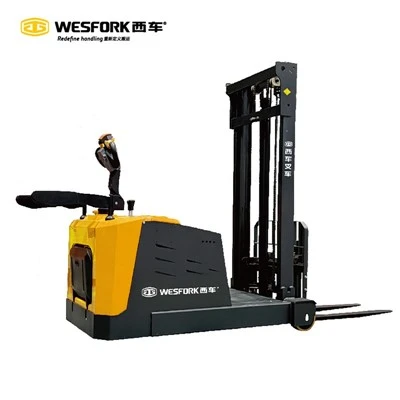
If you’ve hung around industrial workplaces long enough, you know electric stacker forklifts are total workhorses. They move pallets, stack inventory, and keep warehouses humming without the fumes or noise of gas-powered machines. But let’s be real—they also come with a unique set of accident risks if you don’t use them right. As someone who’s been supplying electric stacker forklifts for years, I’ve seen my share of close calls, and I’ve also seen how proper habits can keep everyone safe. This post isn’t just a list of rules—it’s stuff I’ve learned from working with operators, shop managers, and even fixing machines that got messed up because of avoidable mistakes.
First off, let’s talk basics: electric stackers are different from regular forklifts in a bunch of ways. They’re smaller, lighter, and usually used for indoor stuff like narrow aisles or high racks. But that doesn’t mean they’re less dangerous. A lot of accidents happen because people think, “It’s just a tiny lift, no big deal.” Spoiler: it is a big deal. I once had a customer call me panicking because their new operator clipped a pallet rack and took out a whole tier of goods—all because they were rushing and didn’t check their clearance. That’s the kind of thing we can avoid with simple, consistent steps.
Let’s start with the people actually running the machines. No amount of fancy tech will fix a bad operator. I’ve seen so many workplaces skip proper training because they “don’t have time” or “the new guy learns fast on the job.” Newsflash: that’s how accidents happen. When we sell a stacker to a business, I always emphasize that every operator needs hands-on training, not just a 10-minute video. Even if someone has used a different type of lift before, electric stackers handle totally different. They’re more sensitive to speed, harder to maneuver in tight spots, and their batteries work differently if they’re abused. I once had a guy who’d operated gas forklifts for 10 years try a walkie stacker on his own—he turned too sharp in a narrow aisle, tipped the whole unit, and ended up with a broken wrist. That’s the exact kind of mistake training would’ve stopped.
Also, operators need to refresh their training regularly. Rules change, machines get updated, and people get complacent after months or years on the job. I suggest every workplace does a quick refresh session every 6 months—maybe a 30-minute walkthrough with the machine, talking about common slips-ups. And don’t forget to make sure operators are only working on stackers they’re certified for. Some companies let anyone hop on “since it’s small,” but certifications aren’t just paperwork—they prove someone knows how to check for leaks, secure loads, and react if the machine starts acting weird.
Next up: pre-use checks. I can’t stress this enough. Every single time someone hops on a stacker, they need to do a quick inspection. This isn’t like checking your car’s oil—it takes 2 minutes max, but it catches 90% of potential issues. Let’s break it down. First, look at the wheels: are they flat? Is there debris stuck in the tread that could make you slip? I’ve seen a wheel with a tiny puncture that got worse during a lift, making the stacker swerve into a wall. Then, check the forks: are they bent, cracked, or loose? A bent fork can make a pallet slide right off mid-stack, which is a huge safety hazard. Don’t forget the controls—make sure the lift, tilt, and drive levers work smoothly, no sticking. Also, test the brakes. Brakes on electric stackers are different from regular lifts—they’re usually electric, not just mechanical, so if they feel mushy or don’t stop the machine fast, that’s a problem. And last but not least, check the battery. If it’s a lead-acid battery, make sure the connections are tight and no acid is leaking. If it’s a lithium-ion battery (which a lot of newer models use), check for any dents or damage to the casing—battery fires are rare, but they can happen if there’s a puncture. I always tell customers to keep a pre-use checklist taped to each stacker so operators don’t skip steps.
Now, let’s talk about the actual operation, because even a well-trained, alert operator can mess up if they’re cutting corners. Speed is a big one. A lot of people think “small machine = go fast,” but that’s a recipe for disaster. Electric stackers have a small turning radius, so going too fast around corners or in tight aisles means you can’t stop or turn in time. I recommend keeping speeds under 3 mph indoors—slower in narrow spaces. And never, ever ride on the forks. I’ve seen guys hop on the forks to reach a high shelf instead of using the lift function— that’s a death wish. The forks aren’t built to hold a person, and if the lift fails, you’re going down. Also, when you’re stacking, make sure the load is centered on the forks. Uneven loads make the stacker unstable, especially when lifting high. I once had a customer’s load that was heavier on one side, so when they lifted it 10 feet up, the stacker tipped sideways and crushed a pallet of supplies. That could’ve been avoided by just balancing the load.
Clearance is another thing no one thinks about until it’s too late. Aisles, racking, even overhead pipes—all those spaces are tighter than you think. Before you move a stacker through an aisle, do a quick head count of how much room you have. If you’re stacking high, check that the top of the load has at least 12 inches of clearance above the rack. I once had an operator hit a sprinkler head while stacking because he didn’t notice the pipe hanging from the ceiling— that flood shut down the whole warehouse for a day, cost thousands in repairs, and no one was hurt, but it could’ve been way worse. Also, never assume other people see you. Use your horn when you’re moving, especially around corners or blind spots. A lot of stackers don’t have great visibility, especially if you’re carrying a load that blocks your front view. So when you’re backing up, use reverse beeps, and if you can, have a spotter for really tight moves.
Load handling is where a lot of accidents happen too. First, don’t lift more than the stacker’s capacity. Every electric stacker has a load chart, usually posted on the machine itself. The capacity changes based on how high you’re lifting—most are rated for full capacity at ground level, but if you’re lifting 15 feet, the capacity drops. I’ve seen guys try to lift a heavier load than the machine can handle because they “did it last week” and nothing broke. The problem is, overloading warps the forks, strains the motor, and makes the stacker tip. Also, don’t drag pallets with the forks. A lot of operators drag loads across the floor to save time, but that damages the floor, strains the stacker’s wheels, and can cause the pallet to slip. When you need to move a load, lift it 2 to 3 inches off the ground first.
Now, let’s talk about the maintenance side, because a stacker is only as safe as how well you take care of it. As a supplier, I can’t tell you how many times we get a machine in for repair that’s messed up because of skipped maintenance. Let’s start with daily stuff: after each shift, charge the battery if it’s a lead-acid type, or plug it in if it’s lithium-ion. Don’t let the battery die completely—that shortens its life and can cause issues with the power system. Also, clean the stacker regularly. Dust, pallets dust, and debris can get into the moving parts, making the lift or steering stick. I once had a stacker that wouldn’t lift because dirt had gotten into the hydraulic lines—cost the customer a day of productivity.
Then there’s scheduled maintenance. Even if the machine is working fine, you need to have a qualified tech check it every 3 to 6 months. They’ll check the brakes, forks, electrical system, and tires. Don’t wait for something to break before you fix it—small issues turn into big accidents fast. Also, when parts need replacing, use genuine parts from the manufacturer. A lot of shops try to use cheap knockoff parts to save money, but those don’t fit right and can fail under pressure. For example, a cheap brake pad might wear out in a month instead of a year, which means your brakes stop working when you need them most.
Let’s not forget about the workspace itself, because accidents don’t just happen because of the machine or the operator. The floor needs to be flat and free of debris, oil spills, or wet spots. If the floor is slippery, the stacker can slip and tip. I had a customer where a oil spill in the aisle went unnoticed, and an operator went too fast, skidded, and crashed into a rack. It was a small spill, but it was enough. Also, keep aisles clear of pallets, boxes, or other clutter. If an operator has to swerve to avoid a box, they might hit a rack or another worker. And label all clearances—put tape on the floor to show how wide aisles need to be for stackers, and mark the minimum clearance for stacking. That way, everyone on the floor knows the rules, not just the operators.
Wait, what about night shifts or overtime? A lot of accidents happen when people are tired. Operators working 12-hour shifts are more likely to rush, make mistakes, or skip pre-use checks. I always advise workplaces to limit overtime for stacker operators, or at least have a rule that no one operates a stacker if they’re too tired. I’ve seen a guy who pulled a 16-hour shift fall asleep at the controls, hit a rack, and total the stacker. That’s not worth saving a few bucks on labor. Also, make sure the work area has good lighting—dim lighting makes it hard to see clearance, debris, or other workers, so more accidents happen.
Let’s wrap this up with a few common myths I hear all the time. Myth 1: Electric stackers are too small to tip over. No way—they’re heavy, and if you turn too fast or carry an unbalanced load high up, they can tip just like a regular forklift. I’ve seen a 2,000 lb stacker tip over and land on its side, total, because the operator turned sharp with a load lifted 10 feet. Myth 2: Training is only for new operators. Nope, even seasoned guys need refreshers, because machines change, and habits get sloppy. Myth 3: Pre-use checks take too much time. A 2-minute check is way faster than dealing with an accident that shuts down your business or hurts someone.
At the end of the day, preventing accidents with electric stackers isn’t rocket science—it’s about consistency. Training operators, doing pre-use checks, following speed and load limits, keeping up with maintenance, and making the workspace safe. As someone who supplies these machines, my main goal isn’t just to sell a stacker—it’s to make sure it’s used safely. I’ve been in this business for 15 years, and every safety story I’ve heard or seen is a reminder that small habits make a huge difference.
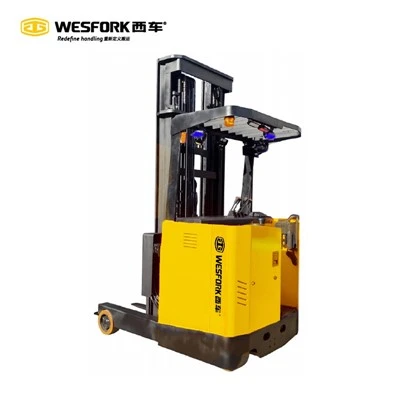
If you’re in the market for a new electric stacker, or you want to upgrade your current fleet to make your workplace safer, feel free to reach out. We work with all kinds of businesses, from small warehouses to big distribution centers, and we can help you pick the right machine for your space and needs. We also offer training resources and maintenance tips to keep your team safe. Don’t wait for an accident to happen—take steps now to keep your workers and your gear in good shape.
Hand Pallet Truck References
- Occupational Safety and Health Administration (OSHA). Powered Industrial Trucks Standard: 29 CFR 1910.178.
- Industrial Truck Association (ITA). Best Practices for Safe Operation of Electric Stacker Forklifts, 2022.
- National Safety Council (NSC). Warehouse Safety: Preventing Lift Truck Accidents, 2021.
- Material Handling Industry (MHI). Electric Industrial Truck Maintenance Guidelines, 2023.
WESFORK Industries (Zhejiang) Co., Ltd.
As one of the most professional electric stacker forklift manufacturers and suppliers in China, we also support customized service. Please feel free to wholesale high quality electric stacker forklift for sale here from our factory. For price consultation, contact us.
Address: 277#Yinhu Road,Yinhu Street,Fuyang District,Hangzhou City,Zhejiang Privince,China
E-mail: sulin@wesfork.com
WebSite: https://www.wesforkintl.com/
