Hey folks, let’s cut to the chase—if you’ve ever scrolled through a military surplus lot, stared at a beat-up 5-ton M-series truck, and thought, “Wait, could those tough-ass wheels fit on my semi-truck?” you’re not alone. As the owner of a Military Truck Wheels supply company, I get this question daily, from small fleet owners tired of replacing $800 semi wheels every 12 months to guys building custom over rigs who swear military hardware outlasts everything. Today, I’m breaking this down straight—no corporate jargon, no vague sales pitches, just the real deal on whether that “military wheel upgrade” is actually worth the headache (or, y’know, the work). Military Truck Wheels
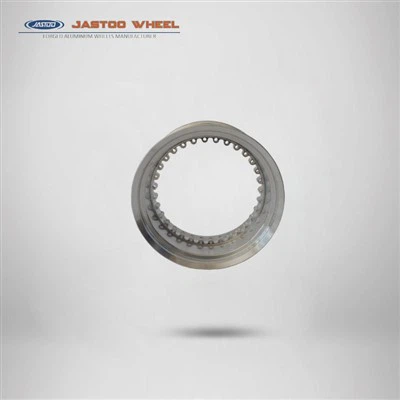
First, let’s stop with the vague terms. What even is a military truck wheel? Most surplus military wheels we supply are 8-bolt, 10-bolt, or 12-bolt steel wheels, built for heavy-duty use—think 15,000-lb payload trucks (hello, M35A2 cargo trucks, MRAPs, medium tactical vehicles). They’re forged from thick, high-tensile steel, way thicker than your average semi steel wheel, which is typically around 10 to 12 mm thick, vs. military wheels that clock in at 14 mm minimum, some even 18 mm. Plus, those military rims have a deeper, reinforced bead seat—where the tire locks onto the wheel—because military trucks run super low pressure off-road (like 20 PSI, vs. semi tires at 80–100 PSI). That bead seat is built to not blow out when you’re driving over rocks or through mud, and that’s a big point for semi owners who do heavy hauling or off-road jobs, too.
Now, let’s talk semi-truck basics to cross-reference. A standard Class 8 semi (that’s your 18-wheeler, the long-haul truck) runs a 22.5-inch wheel diameter, right? That’s the industry standard for over-the-road semi tires. Most military truck wheels I’ve seen fit either 20-inch, 22.5-inch, or even 24-inch, depending on the military platform. Wait, that’s a first check: size. If your semi uses 22.5-inch wheels, a lot of the surplus military wheels we stock are exactly that size—so size-wise, they line up. But here’s where it gets tricky, because it’s not just diameter. Bolt pattern, wheel offset, hub bore, and load rating are the four big factors that make or break a fit.
Let’s start with bolt pattern, because that’s non-negotiable. Military trucks use standardized military bolt patterns, not the same as semi patterns. A common semi bolt pattern is 10×285.75 (that’s 10 bolts spaced 285.75 mm apart, center-to-center). A lot of military wheels for 22.5-inch fitments use 10×275, 10×335, or 8×250. Wait, so if your semi is 10×285, a 10×275 military wheel won’t line up—you’ll have a bolt that’s slightly off, so you can’t torque the lug nuts evenly. But hold on, some military platforms (like the MTVR, or Medium Tactical Vehicle Replacement) actually have a 10×285 bolt pattern that matches Class 8 semis. That’s not a fluke—military truck manufacturers often design components to align with commercial standards where it makes sense, for easier maintenance or supply chain flexibility. So that’s a win for folks with common semi bolt patterns.
Next up: wheel offset and hub bore. Offset is how far the wheel sits from the hub’s mounting face. A semi wheel’s offset is designed to keep the track width (the distance between the left and right wheels) within legal limits and handle the load distribution. Military wheels? Their offset is tailored to military trucks, which have narrower track widths for off-road maneuverability. If you bolt a military wheel with the wrong offset to a semi, you’ll either have the wheels sticking way out (which is illegal in most states for commercial trucks, big fine risk) or tucked too far in, which messes with the alignment and causes uneven tire wear. Hub bore is even more specific: the hole in the center of the wheel that fits over the truck’s hub. If that’s too small or too big, you get vibration when driving, especially at highway speeds, which wears out bearings fast. I’ve seen guys force a 10×275 military wheel onto a semi hub—they thought it was close enough, but after 50 miles on I-95, the wheel was shaking so bad the lug nuts started backing off. Not a good time, trust me.
Now, load rating—this is where military wheels actually shine, so let’s get that right. A standard semi 22.5-inch steel wheel has a load rating of around 5,000 lbs per wheel (for dual-wheel setups, which is what semis use on both drive and trailer axles). A lot of military 22.5-inch wheels have a load rating of 8,000 lbs or more per wheel. That’s a huge upgrade if you’re hauling heavy cargo—construction equipment, farm machinery, even oversize loads—because you can carry more weight without straining your tires or wheels. But wait, that high load rating doesn’t mean it automatically fits. If your semi’s hub can’t handle the extra load? No, semi hubs are built for Class 8 loads, so that’s not usually the issue. The issue is the fit.
So when does a military truck wheel actually fit on a semi-truck? Let’s make this concrete, no vague answers. First, your semi has to use a 20-inch, 22.5-inch, or 24-inch wheel (the size that matches the military wheel’s diameter). Second, your semi’s bolt pattern is either 10×285.75, 8×275, or another common pattern that matches the military wheel. Third, the wheel’s offset is within +/- 10 mm of your semi’s factory wheel offset—no more than that, otherwise you’ve got track width issues. Fourth, the hub bore of the military wheel needs to be within 1 mm of your semi’s hub diameter to eliminate vibration. If all four of those line up, you’re good to go.
Wait, let’s test this with real examples. A guy who runs a 2019 Peterbilt 579 (standard Class 8, 22.5-inch wheels, 10×285.75 bolt pattern, factory offset of 50 mm) comes to me asking if we’ve got military wheels that fit. We stock surplus MTVR 22.5-inch wheels: 10×285.75 bolt pattern, offset of 48 mm, hub bore of 150 mm. His semi hub is 151 mm—perfect, that’s within 1 mm, so no vibration. That fits. Now another guy, running a 2017 Freightliner Cascadia (same semi, 10×285.75, factory offset 55 mm), wants a military wheel. Our MTVR wheel’s offset is 48 mm—7 mm off, which is a minor adjustment. He can use wheel spacers, right? Wait, but spacers add stress—if you go with a spacer, you have to make sure it’s rated for the load, otherwise you’re risking a blowout. That’s not ideal, but it’s doable for someone who’s okay with a little extra work.
Now, the big question most folks ask: is it worth it? Let’s break down the costs. A standard semi wheel from a commercial supplier runs $500 to $800 each, plus shipping, and they last 1 to 2 years if you’re hauling heavy. A military surplus wheel from us runs $300 to $500 each, same quality, same load rating, and if you take care of ’em, they’ll last 5 to 7 years. That’s a 50% to 60% cost savings over time. But here’s the catch: it only works if the fit is right. If you try to force a wheel that doesn’t match the bolt pattern or offset, you’re looking at more repairs, more downtime, and maybe even accidents.
I get a lot of guys who come to me looking for a “quick upgrade” without checking the specs. Last month, a owner of a small flatbed fleet drove 2 hours just to buy a set of military wheels, only to find out his semi had an 8×225 bolt pattern, and the military wheel he picked was 10×335. He had to drive home with a trailer full of wheels he couldn’t use, and ended up ordering commercial wheels. That’s a mistake we try to help people avoid—we don’t just sell you a wheel, we ask for your truck’s make, model, year, and hub specs before we even suggest a fit.
Another common misconception: all military wheels are for semi-trucks. Nope. Most military wheels are for smaller trucks, like 2.5-ton or 5-ton cargo trucks, which use 20-inch wheels and bolt patterns that don’t match semis. We don’t even stock those for semi applications, because they won’t fit, and we don’t want to waste your time. We only carry military wheels that are tested to fit common Class 8 semi and medium-duty commercial trucks, because that’s what our customers actually need.
Wait, let’s talk about modifications, because some guys will tell you you have to cut or grind to make military wheels fit. Don’t do that. Modifying a wheel’s mounting face or bead seat makes it unsafe—wheels are engineered to a specific load distribution, and altering that can cause it to crack under pressure, especially at highway speeds. We never recommend modifying wheels, because that’s a liability risk for you and for us. If the fit isn’t exact, we can point you to the right wheel, or help you find a hub adapter if that’s a option (but even adapters have to be load-rated, no cheap ones from Amazon).
Now, who is this actually for? If you’re a long-haul semi driver who does standard highway runs, your average semi wheel is just fine—cheaper, easier to source, no hassle. But if you’re a heavy-haul operator, a fleet owner with multiple trucks, or someone who does off-road or oversize load runs, military wheels make total sense. The higher load rating, thicker steel, and cheaper price point save you money on repairs and downtime long-term. We’ve got a customer who runs 12 semi trucks hauling construction equipment out of Houston—he switched to our military wheels 2 years ago, and he says he’s spent $12,000 less on wheel replacements than he did with commercial wheels. That’s a huge number for a small fleet.
So, to wrap this up: yes, military truck wheels can fit on semi-trucks—if the size, bolt pattern, offset, and hub bore all line up. It’s not a one-size-fits-all upgrade, but when it works, it’s a solid investment for the right kind of operator.

Now, if you’re thinking this could work for your trucks, don’t guess on the specs. Hit us up to chat through your truck’s details—we’ll walk you through checking the bolt pattern, offset, and hub bore, no sales pitch, just real info. We’ve got a huge selection of tested military wheels that fit common semi models, and we’ll make sure you get the right ones for your needs, no wasted money on parts that don’t fit.
Truck Wheels References:
- Commercial Vehicle Safety Alliance (CVSA). (2022). Wheel Inspection and Fitment Guidelines for Commercial Trucks.
- U.S. Army Tank Automotive Command. (2021). Standardization of Military Wheel Components for Commercial Compatibility.
- Tire and Rim Association. (2020). Annual Specifications for Wheel Fitment and Load Ratings for Medium and Heavy-Duty Vehicles.
QHD New Light Vehicle Engineering & Technology Co., Ltd.
QHD New Light Vehicle Engineering & Technology Co., Ltd. is one of the most professional military truck wheels manufacturers and suppliers in China, specialized in providing the best customized service. If you’re going to buy or wholesale high quality military truck wheels with competitive price, welcome to get quotation from our factory.
Address: No.16 Songhuajiang Road, Development Zone, Qinhuangdao City, Hebei, China
E-mail: sales@gftwheel.com
WebSite: https://www.jastooforgedwheel.com/
