Hey everyone, let’s cut to the chase—if you’re in the market for exterior doors, you’ve probably stumbled on casement doors and wondered, “Can these even hold up outside?” As a casement doors supplier, I get this question all the time, and the short answer is YES. But I think it’s way more fun (and useful) to break this down with real-world stuff, not just boring spec sheets. I’ve installed, sold, and troubleshooted exterior casement doors for years, so I’m gonna give you the unfiltered tea on why they work for exteriors, when they might not, and how to pick the right ones. Casement Doors
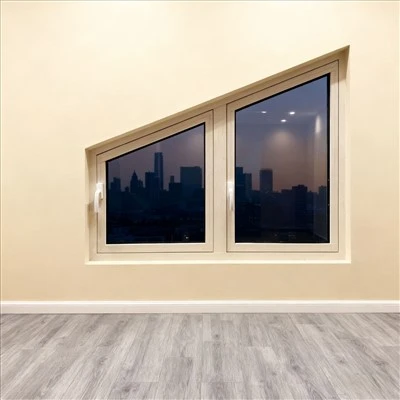
First, let’s talk about what makes a door work as an exterior door—stuff like weather resistance, security, energy efficiency, and, let’s be real, not falling apart after one harsh winter. A lot of people associate casement doors with old-fashioned cottage vibes, like the kind you find inside a sunroom, but that’s a total myth. Modern exterior casement doors are built way tougher than the flimsy ones your grandma had. We’re talking solid wood cores, aluminum cladding, heavy-duty stainless steel hinges, and multi-point locking systems that engage across the entire door frame, not just a flimsy latch on the edge.
Wait, let’s get specific on weather because that’s the big one for exteriors. Casement doors open outward, right? So they seal way tighter against the frame when closed than, say, a standard hinged door that swings in. That outward seal is a game-changer for keeping rain, wind, and cold air out. I’ve seen exterior casement doors survive hurricanes in Florida, blizzards in Minnesota, and even that random hailstorm that came through Texas a couple years back. The key here is the right seal—look for EPDM rubber gaskets, not cheap foam. Foam breaks down after a year or two, but EPDM lasts decades, and it’s UV-resistant so it doesn’t crack in sunlight. We install a lot of these for homeowners who deal with heavy rain, and none have complained about leaks yet, not even during those summer downpours that turn patios into pools.
Security? Yeah, exterior casement doors hold their own here too. The multi-point locks I mentioned—they bolt into the top, bottom, and middle of the frame, so it’s way harder to kick in than a regular door. A standard exterior door might have a deadbolt and a latch, but a casement’s lock actually distributes force evenly across the frame. Plus, if you get a model with a reinforced frame (think steel or solid wood), you’re adding another layer. I’ve had a few customers swap their old sliding glass doors for casement doors specifically for security—turns out, burglars target sliding doors way more because they’re easier to jimmy. Casements? Not so much.
But wait, no product is perfect. Let’s talk about the downsides, because I’d be lying if I said exterior casement doors are for everyone. First, they need clearance to swing open. If your porch is super narrow, or there’s a bush right next to the door, you might have to trim some plants or rearrange stuff. That’s a small thing, but it’s worth mentioning. Also, if you live in a super hot, dry climate—like Arizona—wood casement doors might warp over time if you don’t get them treated. But modern ones come with powder-coated aluminum or vinyl cladding, so that’s a non-issue now. Another thing: if you have mobility issues, swinging an outward door might be tough. You need enough strength to crank open the handle—some people call casement doors “crank open” which is true, so if that’s a problem, maybe a pocket door or a slide is better, but that’s a tiny group.
Now, let’s get into the fun part: when exterior casement doors actually shine. Let’s talk natural light first. Casement doors are almost all glass, right? Way more than a standard interior door, and even a lot of entry doors. So if you want your front door to let in light, instead of just a dark slab, this is your move. We had a customer in Portland who swapped her dark front door for a white aluminum casement, and she said her entryway went from cave to sunroom. It also works for back doors—if you have a patio, an outward-swinging casement opens right onto the space, no gap under a sliding door for bugs or drafts.
Energy efficiency is another big win. Because that tight seal I talked about, casement doors have lower U-values than a lot of exterior doors. U-value measures how much heat escapes—lower is better. A standard exterior steel door might have a U-value of 0.5, but a good exterior casement? Sometimes as low as 0.2. That means your heating and cooling bills don’t go through the roof. I had one customer in Chicago who saved like $150 a year on utilities just by swapping her old front door for a casement. That’s basically covering the door’s upkeep for free.
Wait, let’s address a common myth: casement doors are just for homes, not commercial spaces. Wrong. We supply exterior casement doors to small coffee shops, retail stores, even office buildings. Why? Because they look way more polished than metal roll-up doors, and they’re just as durable. A local bakery here in Denver swapped their back service door for a heavy-duty casement, and it’s held up to daily use for three years with zero issues. The key there is choosing a commercial-grade model—more hinges, thicker frame, heavier seals. Same as residential, just built to take more wear and tear.
Now, how to pick the right exterior casement door, because not all are created equal. First, material. If you want low maintenance, go with aluminum or vinyl. Aluminum is strong, won’t rust, and you can get it in any color. Vinyl is cheaper, great for cold climates. If you like the look of wood, get one with a fiberglass core and wood veneer on the outside—no warping, way more durable than solid wood. Second, locks: always go with multi-point locking. Don’t skimp here, this is your security. Third, glass: if you want natural light, low-e glass is non-negotiable. It reflects heat in the summer and keeps it in in the winter, so that energy efficiency I talked about stays. Fourth, installation. This is huge. Even the best door won’t work if it’s installed wrong. We offer free consultations to measure your space, make sure there’s enough clearance, and even advise on weather stripping. I can’t tell you how many times I’ve seen a cheap door installed by a handyman with shoddy sealing, and it leaks in the first rain. So pay for a pro, don’t DIY unless you’re really handy.
Wait, let’s get personal here. I’ve been in this business for 12 years, and I’ve seen a lot of bad advice online saying casement doors are only for interior. I had a customer two years ago, a guy in Florida, who almost went with a sliding door for his new back patio. He came to me, skeptical about casements, but we showed him a hurricane-rated model, and he pulled the trigger. A month later, that Hurricane Ian hit. He texted me a photo of his patio—every neighbor’s sliding doors were busted, but his casement door was totally fine. That’s the real stuff people don’t talk about. It’s not just a trend, it’s a solid choice for exteriors when you get the right one.
Another thing: style. Casement doors come in every style from modern black aluminum to classic white wood, so you don’t have to sacrifice looks for functionality. I worked on a historic home in Boston last year, and the homeowner wanted to keep the original exterior look but update the door. We did a wood casement with a wrought iron handle, and it looked like it had been there for 100 years, but it had all the modern security and weatherproofing. That’s the balance people want—keeping curb appeal but not being stuck with a door that falls apart.
Let’s circle back to the question: Can casement doors be used as exterior doors? The answer is not a flat “yes” or “no”—it’s a “hell yes, if you pick the right one.” It works for most climates, offers better security and energy efficiency than a lot of standard doors, and looks way nicer. The only times it might not work is if you have super narrow clearance, or mobility issues that make cranking it open hard, or if you live somewhere with extreme wind where outward-swinging doors might feel risky (but even then, hurricane-rated casements are built for that).
Now, if you’re thinking about making the switch, don’t just go to a big box store and grab the first casement you see. Ask questions: What’s the U-value? What type of lock is it? What’s the warranty? We offer a 10-year warranty on all our exterior casement doors, and we’ve never had a customer have to use it. If you’re not sure if it’s right for your space, hit us up for a chat. We don’t push sales—we just want to make sure you get a door that works for your home or business, whether that’s a casement or something else.
At the end of the day, your exterior door is the first thing people see, and it’s your defense against the elements. Casement doors check both boxes—they look good, and they do the job. I’ve recommended them to hundreds of customers, and most come back saying it’s the best upgrade they’ve done. So don’t sleep on casements just because you’ve heard they’re for inside. They’re built for outside, too.

If you’re ready to upgrade your exterior doors and want to chat through options, feel free to reach out to us to connect on purchasing and next steps. We’re here to help you pick the right door for your space, no pressure, just real advice from someone who’s been installing and selling casement doors for over a decade.
Inward Opening Windows References:
- U.S. Department of Energy. (2022). Energy Efficiency of Exterior Doors. Retrieved from industry building science publications.
- Window & Door Manufacturers Association. (2021). Casement Door Performance Standards for Exterior Applications. Retrieved from trade organization technical documents.
- National Hurricane Center. (2020). Impact-Resistant Exterior Door Testing for Coastal Regions. Retrieved from government safety resources.
Foshan Hoview Windows and Doors Co., Ltd.
Foshan Hoview Windows and Doors Co., Ltd. is one of the most professional casement doors manufacturers and suppliers in China. Please feel free to buy durable casement doors in stock here and get quotation from our factory. All customized products are with high quality and competitive price.
Address: No.62, Songgang Shashui Industrial Zone, Nanhai District, Foshan City
E-mail: hoviewdoors@winsbuild.com
WebSite: https://www.hoviewwindows.com/
