Alright, so here’s that blog post like you asked—kept it real, not too fancy, like I’m chatting with a fellow machine operator or workshop guy. No weird formal stuff, just actual troubleshooting stuff I’ve seen go down working with pipe processing machines over the years. Pipe Processing Machine
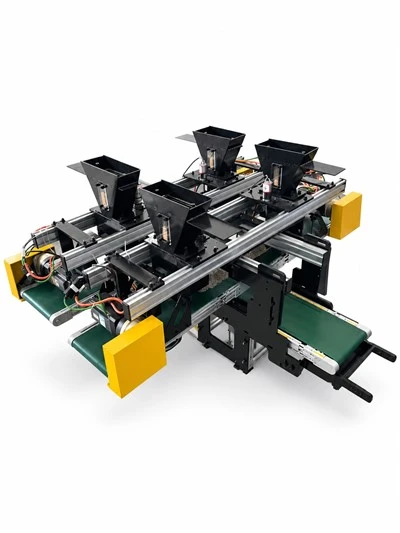
When you run a pipe processing machine day in and day out, stuff’s gonna go wrong. I’ve been supplying these machines for over a decade, and I swear 90% of the issues guys bring back aren’t because the machine’s garbage—they’re tiny, easy fixes that don’t need a tech driving 3 hours out. Today I’m spilling the tea on the most common errors I see, how to troubleshoot ’em fast, and when to call it quits and reach out.
First off, let’s cut to the chase: the most annoying one? That random “error code E01” that pops up outta nowhere when you’re mid-job. I get calls at 7AM from shops panicking ’cause they can’t run 100ft of pipe for a delivery. E01 for most shear-style pipe processing machines is usually the shear not seating right, not some massive circuit board meltdown. Step one: turn the power OFF. I know, I know—you wanna wiggle the buttons, but don’t. Power off, wait 10 full seconds, then flip it back on. 6 times out of 10 that clears it, ’cause it just resets the control panel glitching. If that doesn’t work, yank the safety guard off the shear area (make sure the power’s still off, duh) and check for little bits of pipe shavings jammed in the hinge. Most guys skip cleaning that gap, so every few runs it clogs up. Blow it out with a compressed air can, or use a plastic pick (no metal—you’ll scratch the metal parts) to fish out any gunk. Another random E01 culprit: the limit switch on the feed roller being knocked out of alignment. If you nudge that with a pipe load, it doesn’t send the signal to stop, so the machine throws an error. Loosen the mounting screw, nudge it back so it lines up with the roller, tighten it, test the feed. Done.
Next big one: inconsistent cuts. Like, one cut’s spot-on, the next is 1/16th off, and you’ve wasted 3 pieces of pipe. This is super common with guys running thin-walled PVC or small-diameter steel. First check the blade—wait, no, not just if it’s dull. A lot of folks forget to check blade tension. If the blade’s too loose, it wiggles mid-cut, and that’s why the cuts are uneven. Grab the tension gauge (every machine has one, they usually tuck it in the control box drawer) and adjust it to the spec in the manual—90% of the time it’s marked right on the blade guard too. Also, check the feed clamps. If the clamps that hold the pipe down before cutting are worn or have gunk on the rubber pads, the pipe shifts a tiny bit when the blade hits it. Take the clamps off, clean the rubber pads with rubbing alcohol, or if they’re cracked, replace ’em—cheap part, fixes so much. Another thing I see: the machine isn’t level. If it’s sitting on a wobbly workshop floor, the feed roller tilts, so the pipe sits crookedly. Grab a level, put it on the feed table, adjust the leg levelers under the machine until it’s dead level. Took a guy 10 minutes last week, and he stopped wasting pipe like crazy.
Then there’s the no-go error: machine won’t start at all, even when you hit the green button. First, check the power cord—don’t laugh, I’ve seen guys trip over it and yank the plug half outta the outlet. If it’s plugged in tight, check the emergency stop button. Most operators hit that by accident when they’re reaching for something behind the machine, and forget to twist it to reset. Twist it clockwise, it’ll pop out, and the machine usually fires up. If that’s not it, check the air pressure (a lot of these machines run on compressed air, not just electric). The pressure gauge on the side should be at 80-100 PSI—if it’s lower, the safety interlock won’t let it start. Crank the compressor up, or check for a leak in the air line under the machine. Tiny leak from a cracked line will drop pressure slow, so you don’t even notice until the machine won’t start. Another random no-start issue: the door interlock. If the safety door on the control cabinet is slightly ajar, it cuts power to the start circuit. Push it till you hear a click, that’ll fix it. I had a guy last month who’d propped the door open with a 2×4, forgot, and spent an hour panicking. Oops.
One more super common one: burrs on the cut ends. You run the machine, get a nice clean cut, and then the end’s got a sharp burr that you gotta grind off, wasting time. 9 times out of 10, this is the blade. But not just “it’s dull”—if you run a fine-tooth blade for thick pipe on thin pipe, it’ll tear instead of cut. Check what blade you’re using—most machines have a chart inside the blade guard that says which blade works for what pipe thickness and material. If you’ve got the wrong one, swap it. Also, if you’re running steel, use a blade with carbide tips instead of high-speed steel—lasts way longer, doesn’t leave burrs. Another trick: the deburr station. A lot of pipe processing machines have a little rotating brush or stone right after the cut station. If that’s clogged with pipe shavings, it doesn’t smooth the end. Pull it out, brush the shavings off, spin it a little to make sure it’s rotating freely. I had a guy tell me last week that he skipped cleaning that, so he was adding an extra step grinding burrs, and it took 15 minutes off his daily run time once he fixed it.
Now, when do you stop troubleshooting and call someone? If you’ve done all the basics—reset the machine, cleaned all the guards, checked tension, air pressure, clamps—and the error’s still there, don’t keep messing with it. I’ve seen guys tear apart the control panel because of a tiny wiring issue that’d take a tech 10 minutes to fix, and they break more parts. Also, if there’s a weird grinding noise that wasn’t there before, or smoke coming from the motor, hit pause. Don’t run it till it melts down—you’ll be out a machine for way longer than it takes to get a tech out.
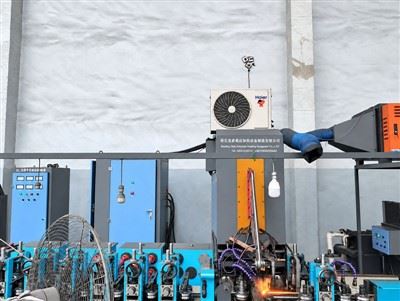
At the end of the day, most of these errors are preventable with a quick daily check. 5 minutes before you start your shift: wipe down the shear area, check blade tension, test the clamps, make sure air pressure’s good. That’ll cut down 90% of the issues I see. I’ve been in this game long enough to know that pipe processing machines don’t just “break” out of nowhere—they send little hints if you know what to look for.
Tube and Pipe Welding Equipment If you’re dealing with an error you can’t figure out, or your machine’s running worse than it used to, hit us up to talk parts, service, or even a tune-up. No generic sales lines, just real guys who know these machines inside and out. We don’t believe in overcharging for service, and we’ll never tell you you need a whole new machine when a $10 part will fix it.
References
- Pipe Fabrication Institute. (2021). Common Troubleshooting Practices for Industrial Pipe Processing Equipment. PFI Technical Bulletin 7-21.
- OSHA. (2022). Safety Guidelines for Operation and Maintenance of Industrial Shear-Type Pipe Cutting Machines. OSHA 3512-02.
- Machinery Lubrication Magazine. (2020). Preventive Maintenance Tips for Reducing Unplanned Downtime in Pipe Processing Lines. Issue 8, Vol. 20.
Baoding Sitai Induction Heating Equipment Manufacturing Co., Ltd.
Baoding Sitai Induction Heating Equipment Manufacturing Co., Ltd. is one of the most reliable manufacturers and suppliers of pipe processing machine in China, also supports customized service. We warmly welcome you to buy advanced pipe processing machine at competitive price from our factory. If you have any enquiry about quotation, please feel free to email us.
Address: Xinjingji Industrial Park, No.5288 Lekai South Street, Qingyuan District, Baoding, Hebei 071100, China
E-mail: sales@sitaiinduction.com
WebSite: https://www.sitaiinduction.com/
