Hey everyone, it’s Jake from the mobile explosion-proof fuel station team here. I get so many DMs and calls a week asking the same question, over and over: “How long do these things actually last?” Like, I get it—if you’re a construction manager, or a mine site lead, or running a remote event that needs consistent fuel, dropping tens of thousands on a mobile explosion-proof unit isn’t a trivial purchase. You don’t want it conking out in 2 years, or wasting money on overbuilt tech that lasts 20 years when you only need it for a 5-year project. Let me break this down like I would for a guy sitting across my desk drinking a bad office coffee—no jargon, no fine print, just real talk from someone who’s been selling and maintaining these units for 12 years. Mobile Explosion-proof Fuel Station

First, let’s get one thing straight: “mobile explosion-proof fuel station” isn’t a one-size-fits-all box. A unit you use for temporary farm fueling, hauled behind a pickup on weekends, is way different from the heavy-duty one you’re running 12 hours a day at a remote mine in Arizona dust and 115-degree heat. That’s why the lifespan isn’t a number I can pull out of thin air—it depends on three big things: how you use it, how you take care of it, and what it’s actually made of. Let’s start with the build, because that’s the foundation.
The core of every explosion-proof mobile station is the tank, right? Not just any steel tank—these are double-walled, with a leak detection layer in between. We don’t cut corners here: we use hot-rolled steel with a 3/16-inch thickness for the outer wall and 1/8-inch for the inner, tested to hold 15 PSI of pressure before it even leaves our shop. Compare that to the cheap single-wall plastic tanks you see at some pop-up stations, and yeah, those won’t last a year in rough conditions. The inner lining? We use a chemical-resistant epoxy that’s specifically formulated for diesel, gasoline, and even biofuels up to B20—no peeling, no breaking down from the fumes sitting in the tank 24/7.
Then there’s the explosion-proof components, which are non-negotiable. We don’t just add a sticker that says “explosion-proof” to look official. Every electrical part—pump, meter, switch, even the LED lights—is rated Class I, Division 1, Group D by OSHA. That means it’s built to not spark even if it’s sitting right next to a tank full of gasoline vapors. Those components? If you get the good ones (we only buy from three certified manufacturers, no off-brand stuff), they’re good for 10 years minimum, maybe more if you don’t fry them by running them off a wrong power source or splashing water in the control panel.
Okay, so if you have a high-quality unit, what’s the base timeline, no extra variables? For normal use—say, a construction crew that uses it 8 hours a day, 5 days a week, parked on a level, covered spot when not in use, no crazy weather stuff—we see these units hitting 15 to 20 years. I’ve got a client in West Virginia who’s had one of our units since 2007; he just sent us a photo last month, and it’s still going strong, only needed a new gasket on the pump 2 years ago. That’s not unusual, but it’s also not a guarantee—his job is steady, he does regular checks, he parks it under a small shed at his yard.
Now, let’s talk about what shortens that lifespan, because this is the stuff most people don’t mention. First, misuse. I’ve had a customer come to me last year with a unit that’s only 3 years old, and the meter was completely fried. Turns out he was running it off a 240-volt generator instead of the 120-volt it’s rated for—surged the electrical system, and boom, half the control panel was dead. Another guy uses his unit for hauling 500 gallons of extra fuel for his pickup every weekend, so he’s yanking it around on a trailer over back roads with potholes, no straps half the time—we had to replace the axle on his unit last year, and the frame is bent so bad he might need a new one soon. Rough transportation and wrong power use are the #1 killers of these things, no question.
Then there’s neglect. The inside of a fuel tank builds up moisture over time, especially if you’re not draining the water separator every month, or if you let the tank run almost empty before refilling. That moisture causes rust on the inner walls—even with the epoxy lining, if there’s a scratch or a leak in the lining, water gets in and turns into rust sludge. I’ve seen tanks that were only 7 years old with 2 inches of rust sludge at the bottom, because the owner never did a single maintenance check. Another big one: not replacing gaskets and seals. The ones on the pump and the access panel wear out every 2 to 3 years, and if you don’t swap them, water gets in, seals break, and you start having leaks that damage the tank or the electronics.
What about extreme conditions? Let’s say you’re running this in the desert, where temperatures hit 120 degrees in the summer, or in the Arctic, where it’s -20 in the winter. Those temps don’t destroy the unit outright, but they speed up wear. In super hot places, the rubber seals dry out and crack faster—you might need to replace them every 18 months instead of 3. In cold places, the metal can expand and contract, so you have to make sure you’re using anti-gel in the fuel in the winter, or your pump will freeze up and break. We’ve got units in the oil fields of North Dakota that have been going for 12 years, but the owner spends extra on seasonal maintenance—he changes all the seals twice a year, checks the insulation on the pump, that kind of thing. He doesn’t skip steps, so it’s still going strong.
Wait, let’s also talk about upgrades, because a lot of our clients don’t realize they can extend the lifespan way past the original timeline. Like, if your unit is 10 years old, you don’t have to buy a whole new one—you can swap out old electrical components for newer explosion-proof ones, re-line the tank if the epoxy is starting to show signs of wear, even upgrade the pump to be more efficient. Last year, we reconditioned a unit for a gold mine in Nevada that was 18 years old; they paid about a third of the cost of a new unit, and it’s working like a brand new one. That’s a game-changer for people who need the reliability of these units but don’t want to drop a ton of cash.
Now, let’s get to the numbers that actually matter, because I know you want real, relatable stuff. If you take care of it, no misuse, average conditions: 15 to 20 years. If you use it for heavy-duty, 12 hours a day, rough transport, no maintenance: 5 to 8 years. If you’re somewhere extreme but stay on top of checks: 10 to 15 years. That’s the range, no fluff.
I also get asked: “Can I get one that’s built to last my whole career?” Maybe, but here’s the thing—most people don’t use a mobile fuel station their whole career. Construction projects last 3 to 10 years, mine sites move, event companies have seasonal needs. Unless you’re a company that owns multiple remote sites, 20 years is way more than you’ll probably need. You don’t want to buy a unit that lasts 25 years if you’re only going to use it for a 7-year pipeline project, because that’s wasted money. We always advise clients to match the unit’s build quality to their expected use, not just shoot for the longest lifespan possible.
And before I wrap this up, let’s be real about what “explosion-proof” maintenance means. It’s not just wiping it down once a month. You need to get a professional to do an annual inspection—check the double wall for leaks, test the electrical components for spark resistance, make sure the pressure relief valve is working. A lot of guys try to do these checks themselves to save money, but if you mess up a pressure test or miss a small leak in the inner wall, that’s a safety hazard and it’ll cut the lifespan way short. I’ve had to tell way too many clients, “You saved $100 on a check, now your unit is ruined and you have to buy a new one for $20k.” Not worth it.
Look, at the end of the day, these mobile explosion-proof fuel stations are built to be tough, but they’re not unbreakable. The biggest variable isn’t the metal or the parts—it’s how you treat it. I’ve seen ones that get tossed in a ditch and still work, and ones that sit in a garage never used for 5 years but rot because no one drained the water out of the tank. If you buy a quality unit, do the regular checks, don’t misuse it, you’ll easily get a decade plus out of it, maybe more. If you cut corners, you’ll be replacing it before you know it.
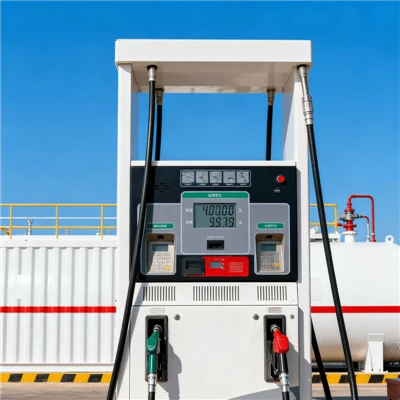
If you’re in the market for a mobile explosion-proof fuel station and you want to chat about what would work for your project, or how to make the one you have last longer, hit us up. We don’t do high-pressure sales, just honest advice from people who’ve been in the field as much as the office.
Self-contained Fuel Station References
- Occupational Safety and Health Administration (OSHA). (2022). Classified Locations for Electrical Equipment. U.S. Department of Labor.
- National Fire Protection Association (NFPA). (2021). Standard for flammable and combustible liquids code (NFPA 30).
- American Petroleum Institute (API). (2019). Specification for portable fuel tanks for aboveground storage. API 12R.
- Mobile Fueling Equipment Association (MFEA). (2023). Best practices for maintenance and lifespan extension of mobile fuel stations.
Shandong Jingcai Industry and Trade Co., Ltd.
As one of the most professional mobile explosion-proof fuel station manufacturers and suppliers in China, we also support customized service. With abundant experience, we warmly welcome you to wholesale high quality mobile explosion-proof fuel station in stock here from our factory. Contact us for free sample.
Address: Caojiazhuang Village Industrial Park, Lingcheng Town, Qufu City, Jining City, Shandong Province.
E-mail: shandongjingcai888@gmail.com
WebSite: https://www.sdjingcaicn.com/
