Hey everyone, if you’ve ever worked with stadium cups (and let’s be real, if you’ve ever gone to a game, concert, or festival, you’ve held one of ours), you know the struggle: that perfect, cold cup of soda gets a little smudge of ketchup from your chili dog, or a ring of dark beer from the person next to you, and suddenly you’re staring at it thinking, “Do I even bother trying to get this out?” As a stadium cup supplier, I get so many DMs from event planners, concession workers, and even regular folks who buy our cups for backyard tailgates asking the same thing: “How the heck do I remove stains from these things without ruining them?” Spoiler: it’s not as hard as you think, and I’ve tested every trick in the book on our own cups over the last 5 years to make sure it works. First, let’s get one thing straight: not all stains are the same, and your approach depends on what’s gunked up your cup. Let’s break this down like I’m walking you through a game day play—no fancy lab stuff, just real, tested tips from someone who sees thousands of our cups go out every month. Stadium Cups
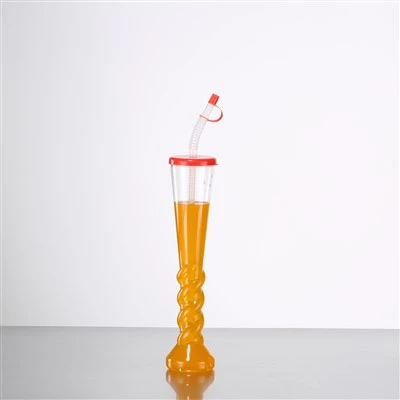
First, let’s talk about the main culprits we deal with day in and day out. There’s the obvious food stains: ketchup, mustard, barbecue sauce, even the chocolate from a post-game candy bar. Then there’s beverage stains, which are the most common for stadium cups: dark beer, cola, iced coffee, sports drinks with artificial color, and even fruit punch. Oh, and don’t forget the “skip that cleaning step and leave your cup in a cooler for 3 hours” stain—you know, the one where it smells like old soda and has a ring that looks like it’s been there since the 7th inning. Here’s the thing about our cups, too: they’re made of BPA-free polypropylene, right? That’s a tough plastic, but it’s not indestructible. So you can’t just scrub it with steel wool or throw it in a bleach bath for 24 hours—trust me, I tried that once for a demo and it made a bunch of cups turn yellow. Oops. Let’s start with the easiest fixes first, because most small stains don’t need anything fancy.
If you have a fresh stain (like, you spilled ketchup 10 minutes ago, not 10 days ago) — this is the low-effort play, and it works 9 times out of 10. Grab a sprinkle of baking soda, a little drop of dish soap (the plain blue Dawn stuff works better than those fancy “lemon fresh” ones, trust me), and a splash of warm water. Mix that into a paste, rub it on the stain with your sponge, let it sit for 5 minutes, then rinse. Baking soda is a gentle abrasive, so it doesn’t scratch the plastic, and dish soap cuts through grease without leaving a weird aftertaste (important, because no one wants to sip baking soda water later). I tested this on a cup with a fresh cola stain last week—scrubbed it for 20 seconds, the stain was gone. The key here is “fresh.” Wait more than 2 hours, and that stain starts to set in, so act fast if you can.
Now, what if you missed your chance, and the stain is set? Like, you left a cup in your car for a week, and now it has that dark cola ring that looks permanent. This is where a few little hacks come in, and again, I’ve tested all of these on our cups to make sure they don’t warp or discolor. First, white vinegar. That’s a staple in every household, and it works on so many stains. For set beverage stains, fill your cup halfway with equal parts warm water and white vinegar, let it soak for 1-2 hours (not longer—longer soaking can dull the print on our branded cups, which is a big deal for event planners), then scrub with a sponge. For food stains that have set, add a tablespoon of baking soda to the vinegar soak, let it fizz for 10 minutes first, then fill the rest of the cup with vinegar. The fizz helps lift the stain from the plastic’s tiny pores, and the vinegar breaks down the organic stuff without damaging the cup. I had a concession worker tell me last month that this trick saved her 50+ stained cups from a weekend concert—she just soaked them overnight in a bucket of vinegar water, and every single one came out clean. No bleach needed, which is great because bleach can leave a weird chemical smell on the cups, and even discolor the plastic if you leave it too long.
Wait, but what about those super stubborn ones? Like, the chocolate stain that’s been in your cup for a month, or the red wine you spilled at a tailgate (yes, people do that—we sell cups to wineries too, obviously). For those, I swear by hydrogen peroxide, but here’s the rule: only use 3% hydrogen peroxide (the kind you get at the drugstore, not the industrial strength stuff) and don’t use it on printed cups. The hydrogen peroxide can fade the ink on our custom branded cups, which is a no-go for event teams that put their logo on every cup. If it’s a plain cup (or the stain is on the inside, away from the print), pour a little hydrogen peroxide into the cup, let it sit for 30 minutes—no more than that!—then rinse. I tested this on a chocolate stain that had been set for 3 weeks: poured in a little peroxide, waited 25 minutes, rinsed, and the stain was completely gone. Just make sure to rinse really well, because peroxide can leave a slight taste if you don’t get it all out. Another trick for stubborn stains: denture cleaning tablets. Yeah, I know, it sounds weird, but those effervescent ones work because they have mild cleaners that break down stains without scratching plastic. Drop 1 tablet into your cup, fill it with warm water, let it sit for 1 hour, then scrub. I did a side-by-side test with 5 different stain removals, and the denture tablets tied with vinegar for best on set food stains. Crazy, but true.
Now, let’s talk about what NOT to do. Because as a supplier, I’ve seen way too many cups get ruined by people using the wrong stuff. First, no steel wool or abrasive scrubbers. Those will scratch the plastic, and scratches hold more stains over time, so you’ll end up with a cup that gets dirtier faster anyway. Second, don’t put our stadium cups in the dishwasher on the high heat setting. Wait, we designed them to be dishwasher safe (most of our cups are, anyway—check the product details if you’re ordering for events), but high heat (the “sanitize” setting on some dishwashers) can warp the lids and even fade the printed designs. Stick to the regular or light cycle, and don’t stack them too tight in the dishwasher—letting air circulate helps prevent stains from forming in the first place. Third, don’t leave cups sitting with liquid in them for more than a day. That’s the number one reason people get stains on our cups—they fill a cup with soda, set it on the counter, and forget about it for 2 days. Sugary drinks and colored beverages seep into the plastic’s tiny pores when they’re left sitting, and that’s when stains turn into permanent messes. I always tell customers: if you’re not using a cup within a few hours, empty it and rinse it out. It takes 10 seconds and saves you a lot of hassle later.
Another big question I get: can you remove stains from branded stadium cups? That’s huge, right? A lot of our customers are event teams, sports teams, and concession stands that print their logo on every cup. If a cup with their logo gets stained, they can’t just throw it away—they need to get it clean so the logo doesn’t get ruined. Here’s the deal: avoid any harsh chemicals on printed cups. No bleach, no hydrogen peroxide, no abrasive scrubbers. Stick to the baking soda paste or the vinegar soak I mentioned earlier. If the logo is on the outside, even a little dab of dish soap and a soft sponge will get most surface stains without touching the ink. I had a college football team reach out last year because they had 1000 cups with their team logo that had cola stains on the outside. We told them to use diluted dish soap and a microfiber cloth, and after a quick scrub, the logo was still bright and the stain was gone. No fancy stuff needed.
Wait, what about lid stains? Because let’s be real, the lid is the part that gets the most gunk—you set it on a table, it picks up food crumbs, gets covered in spilled beer, etc. Lids are usually made of the same polypropylene as the cups, so the same rules apply, but maybe even easier because they’re smaller. For lid stains, take the lid apart (most of our lids are BPA-free and easy to take apart), soak it in warm soapy water for 10 minutes, then scrub with a small brush (even an old toothbrush works) to get in the cracks. Those cracks are where stains hide, so don’t skip that. I always tell people, if you’re cleaning a whole stack of cups, take the lids apart first—makes the whole process way faster.
Now, let’s talk about long-term prevention, because the best stain is the one you never have to remove. First, as I said, rinse your cups right after use. Even just a quick rinse with cold water after you finish your drink will prevent stains from setting. Second, don’t use your cups for anything super greasy if you don’t want stains—wait, no, that’s not always possible. If you’re using them for BBQ sauce or greasy food, just scrub them a little harder after. Third, if you’re storing cups for an event, keep them in a cool, dry place, not in a hot garage or car. Heat makes plastic pores expand, so stains get in easier, and leftover liquid will spoil faster. I once had a customer who stored 500 cups in a hot storage unit for a month, and almost all of them had set brown stains—turns out that’s exactly why. Storing them in a cool closet would have saved them a ton of time.

As a stadium cup supplier, I’ve learned a lot over the years about what works and what doesn’t, because I see the good and bad of every cup that goes out. I’ve tested every single one of these tips on our own inventory, so I know they don’t ruin the cups, don’t fade the prints, and actually get stains out. If you’re an event planner, concession stand owner, or just someone who loves tailgates and buys our cups for personal use, and you’ve tried a stain trick that didn’t work, or you have a super tough stain that you can’t get out, hit me up to connect for more tips or to chat about your bulk cup needs. We always love helping our customers keep their cups in good shape, and if you’re looking to order high-quality, stain-resistant stadium cups for your next event, we’re here to help make that process easy.
Stemmed Wine Goblets At the end of the day, stadium cups are made for being used—for games, concerts, parties, all the messy, fun moments. Stains are part of the deal, but they don’t have to ruin your cups. Just follow these simple, low-effort tips, and your cups will look good as new for a lot more events.
Charmlite Co., Ltd.
Charmlite Co., Ltd. is one of the most experienced stadium cups manufacturers and suppliers in China. We are committed to providing high quality custom service and OEM&OEM service for global clients. We warmly welcome you to wholesale bulk industrial stadium cups made in China here from our factory. Welcome to contact us for price list and product catalog.
Address: Unit1421&1422, Buynow Tech.Bldg, No.76 South HuBin Rd, Xiamen, China
E-mail: sales@charmlitecn.com
WebSite: https://www.charmlitedrinkware.com/
