If you’re in the market for a used ride reach truck, chances are you’ve scrolled through online marketplaces, asked around at warehouse trade shows, and probably gotten a dozen conflicting price estimates that make you wonder if there’s any rhyme or reason to it. As a supplier who’s been selling and servicing used ride reach trucks for over a decade, I get it—this equipment is the backbone of many distribution centers, retail stockrooms, and manufacturing facilities, and a misstep on price can blow your monthly budget or leave you with a machine that breaks down before you recoup your investment. Let me break down exactly how much a used ride reach truck costs, what factors drive that price, and what you should look for to avoid overpaying or settling for a lemon. Ride Reach Truck
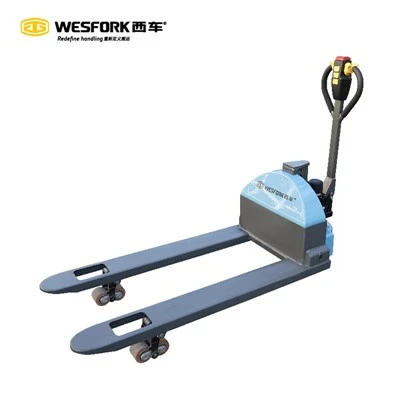
First, let’s set a baseline: in 2024, the average price of a used ride reach truck ranges from $12,000 to $35,000. That spread is huge, I know, and it’s not just for show. A 2-year-old, low-hour model from a top-tier brand like Crown or Raymond with a full factory rebuild will land on the higher end, while a 10-year-old model from a lesser-known brand with worn forks and a battery that needs replacing will sit closer to the $12,000 mark. To put that into perspective, a brand-new ride reach truck can run $50,000 to $75,000, so buying used cuts your cost by 40% to 75%—that’s why most small to mid-sized operations opt for pre-owned, as long as they do their homework.
Now, let’s dive into the biggest factors that push that price up or down, because these are the things I walk every customer through before we even talk numbers. The first and most impactful is age and usage hours. Ride reach trucks aren’t like cars—most are designed to last 10,000 to 15,000 operating hours with proper maintenance, but some fleets run 2,000 hours a year, while high-demand warehouses can hit 4,000 to 5,000 hours annually. A 3-year-old model with 6,000 hours is going to be more expensive than a 5-year-old with 12,000 hours, even if the latter is only two years older. For example, a Raymond 7500 series with 5,000 hours will cost around $22,000, while the same model with 10,000 hours will be around $16,500—a 25% difference just from usage. I once had a customer who bought a 1-year-old ride reach truck with 1,200 hours from a major online marketplace for $28,000, only to later find out it had been running 12 hours a day, 6 days a week, and the hour meter had been tampered with. That’s why checking the service records is non-negotiable—any reputable used equipment dealer will have those, and if they don’t, walk away.
Next is brand and model reputation. Not all ride reach trucks are created equal, and some hold their value far better than others. The top three brands in North America—Crown, Raymond, and Yale—consistently command 15% to 20% higher prices than lesser-known brands or older models from brands that have since been acquired. For instance, a used Crown RR 5200 series (a workhorse for narrow-aisle warehouses) will cost about $24,000 for a 4-year-old, low-hour unit, while a similarly aged model from a brand like BT (now part of Toyota) will run around $21,000. Cheaper brands might seem like a steal, but spare parts are harder to find, and technicians often charge more to work on them because they have less familiarity with the design. I’ve seen a customer buy a no-name ride reach truck for $11,000, only to spend $8,000 on repairs in the first year—making the total cost of ownership higher than if they’d bought a mid-tier Raymond. That’s a trap a lot of first-time buyers fall into, and it’s why I always emphasize going with a brand that has a strong service network.
Then there’s the condition of the core components: the battery, the mast, and the hydraulic system. The battery is one of the most expensive parts of a ride reach truck, and a new lithium-ion battery can cost $5,000 to $8,000. If a used truck comes with a 24-month-old battery that holds a full charge and has been properly maintained (with equalizing charges every 30 cycles), that’s a $6,000 value baked into the price, so you can expect to pay $4,000 to $5,000 more for that. If the battery is at the end of its life (usually 3 to 5 years for lead-acid), you’ll need to factor in that replacement cost upfront, so a truck with a dead battery will be $3,000 to $5,000 cheaper than one with a good one. The mast is another critical part—if the forks have significant bends, or if the mast has hydraulic leaks or misalignment, that can cost $2,000 to $4,000 to repair. I always recommend test-driving the truck, lifting the mast to its maximum height (usually 30 to 45 feet) and checking for any unusual noises or swaying, because even a small mast issue can turn into a big safety hazard if you’re moving pallets at height.
Configuration is another often overlooked factor that affects price. Ride reach trucks come in different load capacities and aisle widths, and custom configurations will cost more. For example, a standard 3,000-pound capacity truck for 10-foot aisles will cost around $18,000, while a heavy-duty 5,500-pound capacity truck for ultra-narrow 8-foot aisles will run around $27,000. Some models also have add-ons like side shifters, fork positioners, or touchscreen control panels, which can add $1,000 to $3,000 to the price. If you’re operating in a standard warehouse with 12-foot aisles and 4,000-pound pallets, you don’t need a heavy-duty narrow-aisle model, so don’t pay for features you won’t use. I had a customer who bought a high-capacity ride reach truck for a small retail stockroom—he paid $10,000 extra for a capacity he never needed, and it took up more space than a smaller model would have. It’s a mistake that’s easy to make when you’re focused on specs instead of your actual workflow.
Now, let’s talk about where you’re buying the truck—because that also impacts the price. Online marketplaces like eBay and Facebook Marketplace might have lower upfront prices, but they come with no warranty, no service history, and often hidden fees for delivery and repairs. A reputable used equipment dealer like mine will charge a bit more (usually 10% to 15% more than a private seller), but you get a 30 to 90-day warranty, full service records, and a truck that’s been inspected and refurbished to meet safety standards. That peace of mind is worth the extra cost, especially for businesses that can’t afford downtime. Private sellers, on the other hand, might have older units with higher hours, but if you know what to look for and can test the truck thoroughly, you might score a deal. Just be prepared to handle any repairs yourself if something goes wrong.
I also want to address a common question I get: is it better to buy a refurbished used ride reach truck or a fully used one? Refurbished units go through a full inspection, with worn parts replaced, brakes, hydraulics, and the battery checked, and they usually come with a 6-month to 1-year warranty. These units are priced 20% to 30% higher than a basic used truck, but they’re much more reliable. For example, a refurbished Raymond 7500 series with 8,000 hours will cost around $21,000, while a basic used model with the same hours will be around $16,000. If you’re a small operation that can’t afford to have your production line down for a week waiting for a repair, a refurbished model is worth the extra investment.
Let me share a real example to put this all together. Last month, a customer came to me looking for a ride reach truck for his 10,000-square-foot distribution center. He had a budget of $20,000, and he was tempted by a private seller offering a 7-year-old model with 11,000 hours for $14,000. When I looked at the service records he brought, I saw the battery was 5 years old (on its last legs), the mast had a small leak, and the forks were bent. I quoted him a refurbished 5-year-old Crown RR 5200 series with 7,000 hours, a new battery, and a 6-month warranty for $22,000. At first, he thought that was too much, but after I broke down the numbers: the $14,000 unit would have cost him $5,500 to replace the battery, $2,500 to fix the mast, and $1,000 in unexpected repairs in the first year—bringing his total cost to $23,000, plus no warranty. The refurbished model was only $1,000 more, with all repairs done, a warranty, and a unit that would last another 5 years. He ended up taking the refurbished one, and he told me a month later that it had run without any issues, while his friend who bought the $14,000 unit was already dealing with breakdowns.
Now, if you’re in the market for a used ride reach truck, here’s my advice to make sure you get the right price and the right machine. First, define your needs: what’s your maximum aisle width, load capacity, and lift height? Don’t overbuy on specs you don’t need. Second, check the service records—if a dealer can’t provide them, walk away. Third, factor in long-term costs, not just the upfront price. A $12,000 truck with $8,000 in repairs in the first year is more expensive than a $20,000 truck with a warranty. Fourth, test the truck—lift the mast, run it through a full narrow aisle, check for leaks or unusual noises.
If you’re ready to start shopping, I’d encourage you to reach out and discuss your specific requirements, whether you’re looking for a basic model for occasional use or a heavy-duty unit for high-volume operations. I can help you compare prices, review service records, and even arrange a test run so you know exactly what you’re getting. Buying a used ride reach truck doesn’t have to be a gamble—with the right information and a trusted supplier, you can get a reliable machine that fits your budget and keeps your operations running smoothly.
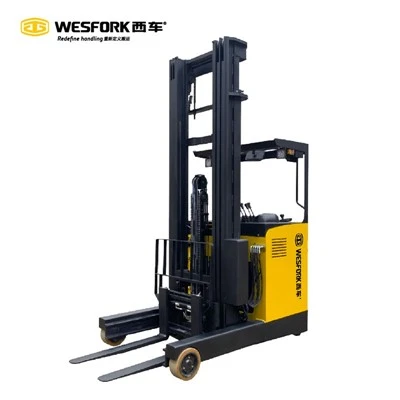
And for anyone still wondering why there’s such a big price difference, remember: it’s not just the age of the truck. It’s the hours, the brand, the condition of the battery and mast, and whether it’s refurbished to last. Skip the private seller deals that seem too good to be true, and don’t be afraid to pay a bit more for a machine that comes with a warranty. At the end of the day, a ride reach truck is an investment that helps you move your product, so making the right choice now will save you a lot of headaches later.
Stand On Reach Truck References
- Material Handling Industry of America. (2023). Used Industrial Lift Truck Market Report.
- Crown Equipment Corporation. (2024). Ride Reach Truck Value and Lifespan Study.
- Raymond Corporation. (2023). Total Cost of Ownership Guide for Used Lift Equipment.
- Industrial Truck Association. (2024). Safety Standards for Used Ride Reach Trucks.
WESFORK Industries (Zhejiang) Co., Ltd.
As one of the most professional ride reach truck manufacturers and suppliers in China, we also support customized service. Please feel free to wholesale high quality ride reach truck for sale here from our factory. For price consultation, contact us.
Address: 277#Yinhu Road,Yinhu Street,Fuyang District,Hangzhou City,Zhejiang Privince,China
E-mail: sulin@wesfork.com
WebSite: https://www.wesforkintl.com/
