Hey folks, let’s talk about something we see every single day at work but rarely stop to break down: that hotdog steamer chugging away behind your local convenience store, food truck, or even the corner deli. If you’ve ever grabbed a soft, juicy hotdog from one, you might’ve wondered how it goes from a raw link to that perfect, bite-ready treat—no microwave, no grill flames, just steady steam. As someone who’s been supplying hotdog steamers for years, I’ve helped hundreds of small businesses dial this process in, and it’s way more science than you might think, even if it looks super simple on the surface. Hotdog Steamer
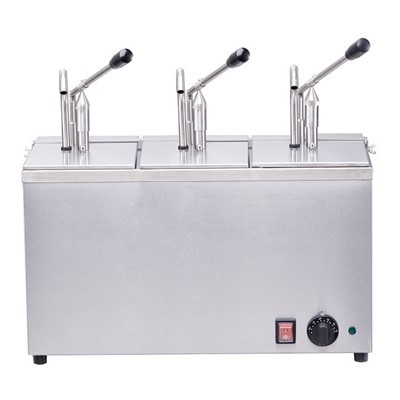
First off, let’s clear up a common myth: a hotdog steamer isn’t “cooking” hotdogs the way you do on a grill or in a pan. Grilling sears the exterior, caramelizes sugars, and gives that smoky char you love, but steaming is all about gentle, even heat that locks in moisture. That’s why a hotdog from a steamer never feels dry or rubbery—something I’ve heard way too many new vendors mess up when they try to skip the steamer for a cheaper method.
Let’s start with the parts of a basic hotdog steamer, because the process depends on how the machine is built. Most countertop steamers (the kind you see at gas stations) have a few key bits: a water reservoir at the bottom, a perforated tray on top for the hotdogs, and a heating element that’s usually tucked under the reservoir. Some larger models, like the ones food trucks use, might have a lid to trap steam, but even smaller ones work the same core way.
The first step is prepping the machine, which is where most new owners make their first mistake. You can’t just dump a bucket of water in and turn it on—too much water spills, too little and you burn out the heating element. We usually tell folks to add cold water to the reservoir up to the line marked on the unit (it’s almost always a fill line, not a max line). Then, you turn the heat on and wait for it to come up to temp. Most commercial hotdog steamers hit around 212°F, which is boiling point for water at sea level. That steam is super heated, but not so hot it’ll burn the hotdogs in minutes.
Once the water’s boiling and producing consistent steam, you load the hotdogs. Wait—another thing: hotdogs aren’t meant to be frozen when you put them in the steamer. A lot of vendors stock up on frozen links to save money, but if you toss a frozen hotdog into a full steamer, the ice will lower the steam temp, and the hotdog will end up soggy on the outside and still frozen in the middle. We recommend thawing them in the fridge overnight, or if you’re in a pinch, running them under cold water for 10 minutes to take the edge off. Also, don’t overstuff the tray—steam needs space to circulate around every dog. If you pile them on top of each other, the ones in the middle will stay cold.
Now, the actual steaming process, which is just three main stages, and they all matter. Let’s break it down:
First, the thawing stage. If your hotdogs were pre-thawed, this takes like 2 to 3 minutes. If they were a little frozen, it’ll take 5 to 7. Steam is all about moisture transfer, so as the hotdog warms up, the steam molecules condense on its surface. That condensation releases latent heat, which is what cooks the hotdog evenly. Unlike dry heat (like a grill), latent heat is way gentler, so the hotdog’s casing stays soft, not crispy, and the meat inside doesn’t get tough.
Next, the holding stage. This is where the magic of a hotdog steamer happens. Once the hotdog’s warmed through (about 140°F internal temp, per food safety rules), you can leave it in the steam for as long as you need—some vendors keep hotdogs in the steamer for hours, and they stay juicy. Why? Because the steamer’s consistent, moist heat prevents evaporation. If you left a hotdog out in the open, it’d dry out in 20 minutes, but in steam, it just stays plump. That’s why convenience stores can keep a batch of hotdogs ready all day without ruining them. We always tell vendors that if their steamer is set right, there’s no such thing as over-steaming a hotdog—you can’t do it. That’s a big one; I’ve heard so many people say “I overcooked those dogs” but it’s impossible here.
Wait, let’s get into the science of that latent heat thing, because it’s actually cool. When water turns to steam, it absorbs a ton of energy (that’s why you need a hot element to boil it). When that steam touches a cooler surface (your hotdog), it turns back to liquid water, and releases all that stored energy. That energy goes right into heating the hotdog, and it’s way more efficient than just heating air, which is what an oven does. So not only does steam keep the hotdog moist, it heats it evenly, no hot spots, no burnt edges, no raw centers.
Then, there’s the bun side of the process, which most people forget! A hotdog isn’t just the dog—if the bun is cold and dry, it ruins the whole thing. Good steamer vendors (that’s us, by the way) often recommend steamer trays that have a little rack for buns too, or a separate bun warmer that uses the same steam from the main unit. The steam softens the bun, takes the edge off any dryness, so when you put ketchup or mustard on it, it doesn’t get soggy right away. That’s a tiny detail, but it’s why the best hotdogs from street carts taste so much better than the ones you microwave at home—they’re steamer-ready.
Now, let’s talk about common issues people run into with their steamers, because even the best machine can mess up if you don’t maintain it. First, mineral buildup. If you use tap water with a lot of minerals (like hard water), those minerals will build up in the reservoir, on the heating element, and even in the steam vents. That slows down the heating, makes steam inconsistent, and can even make your hotdogs taste like metal. We tell all our customers to clean their reservoir every week, run a vinegar cycle if they notice buildup, and use distilled water if their area has super hard tap water. That’s a quick fix that saves a ton of headaches.
Another issue: too much or too little steam. If your steamer is spitting water onto the hotdogs, that means you have too much water in the reservoir, or your lid isn’t sealed right. If there’s no steam coming out at all, check the heating element—maybe it’s burned out, or the reservoir is empty. A lot of new owners don’t realize that a hotdog steamer is a low-maintenance machine, but you do have to check it daily: fill the water, wipe down the tray, make sure the vents aren’t blocked.
Here’s the thing that always surprises people: we supply steamers to everything from small food trucks to national convenience store chains, and the core steaming process is the same no matter the size. A $200 countertop steamer for a small bodega works exactly like a $2,000 commercial unit for a stadium—just scaled up. The science doesn’t change, just the amount of hotdogs you can hold, and how much water the reservoir holds.
I’ve been in this business for 8 years, and I’ve heard so many vendors say, “I tried grilling hotdogs, but they’re too much work” or “microwaving is cheap, but they taste like cardboard.” The steamer is the sweet spot because it’s low-effort, consistent, and gives you that juicy hotdog people crave. The steaming process isn’t some fancy trick—it’s just using water’s natural properties to heat food gently, keep it moist, and have it ready to go whenever a customer walks up.
If you’re a small business owner looking to upgrade your hotdog setup, or you’re just curious about how that machine works behind the scenes, don’t overcomplicate it. The basics are: boil water, make steam, surround hotdogs with that steam, hold them until they’re juicy and ready. And if you need a steamer that’s built to last, with easy maintenance and the right size for your space, we’re here to chat. We’ve worked with hundreds of vendors to get their steamers dialed in, so you can focus on selling hotdogs, not fixing machines.

Now, let’s wrap this up with a quick note for anyone thinking about starting a hotdog stand, or even adding hotdogs to your existing menu. The steaming process is the backbone of a great hotdog offering—get that right, and you’ll have customers coming back every day. If you want to talk through what size steamer you need, how to set it up, or even maintenance tips, hit us up. No jargon, no sales pitches, just straight answers to make your hotdog game strong.
Commercial Cooking Equipment References
- Food and Drug Administration. (2022). Food Safety Guidelines for Hot Dogs and Delicatessen Meats. U.S. Department of Health and Human Services.
- American Meat Science Association. (2019). Moist Heat Processing Effects on Comminuted Meat Products. Meat and Muscle Biology Journal.
- National Restaurant Association. (2021). Commercial Kitchen Equipment Maintenance Guide: Steamers. National Restaurant Association Solutions.
Foshan Frespro Industries Co., Ltd.
Foshan Frespro Industries Co., Ltd. is one of the most experienced hotdog steamer manufacturers and suppliers in China, featured by quality products and good price. We warmly welcome you to buy advanced hotdog steamer for sale here and get quotation from our factory. Customized orders are welcome.
Address: No.24, 1ST DISTRICT, FUAN INDUSTRIAL ZONE, LIANDU LELIU, SHUNDE FOSHAN, GUANGDONG CHINA
E-mail: lisa@dezaoequip.cn
WebSite: https://www.fresproeq.com/
