As a synthetic polypropylene (PP) supplier with over a decade in the industry, I’ve spent countless hours walking customers through the strengths of our product—its versatility, cost-effectiveness, consistency for injection molding, and resistance to many chemicals. But over the years, I’ve also fielded more than a few questions about the downsides of synthetic PP, and it’s only fair to address them openly. When I first launched my supply business, I was focused entirely on what made PP better than alternatives like glass or metal for packaging, automotive parts, or consumer goods. But as I’ve listened to manufacturers—from small craft-based firms to large automotive assembly lines—I’ve come to see that synthetic PP isn’t a one-size-fits-all solution, and those limitations can make or break a project if overlooked. Synthetic PP

First, let’s talk about thermal limitations. I don’t mean that PP can’t handle heat at all—its melting point hovers around 160°C (320°F), which makes it fine for things like microwave-safe containers or disposable cutlery. But that mid-range heat resistance is a disadvantage in industries dealing with high-temperature applications. For a car engine component that reaches 180°C during operation, even a heat-stabilized grade of synthetic PP will warp or lose structural integrity over time. I once worked with a small automotive parts maker who switched to synthetic PP for a dashboard trim, thinking it would cut costs, only to have 12% of their parts crack in summer months when car interiors hit 200°C. They had to retool for ABS plastic, which has a higher heat resistance. It’s not that PP can’t be modified with additives to boost heat tolerance, but those modifications add cost, and even then, it’s rarely a match for engineering plastics like nylon or PEEK. For any application with repeated exposure to temperatures above 150°C, synthetic PP is a poor choice, and I’ve learned to steer customers away from it even if they initially push for it as a cheaper option.
Next, chemical sensitivity isn’t talked about enough. PP is known for its resistance to acids, bases, and many solvents, but that’s a half-truth. It’s highly vulnerable to oxidizing chemicals, and even everyday substances like bleach, ozone, or certain aromatic hydrocarbons can break it down over time. A customer in the cleaning supplies industry once tried to use synthetic PP for spray bottle caps, assuming its chemical resistance would make it perfect. But within three months, the caps became brittle and cracked from exposure to diluted bleach. The problem? PP’s non-polar molecular structure reacts poorly with polar oxidizers that penetrate its surface, breaking the molecular chains that give it strength. Unlike HDPE, another polyolefin, or fluorinated plastics like PTFE, synthetic PP has no inherent barrier to those specific chemicals. I’ve since made it a point to ask customers about the exact substances their product will come into contact with, because a “chemically resistant” material on paper can fail silently in real use.
Then there’s its inherent flammability. Raw, unmodified synthetic PP is extremely flammable—it has a low ignition temperature and burns quickly, releasing toxic fumes like carbon monoxide and volatile organic compounds (VOCs). That’s a big red flag for industries like aerospace, electronics, or public transportation, where fire safety is non-negotiable. Many of my clients in consumer electronics have had to go through third-party fire safety certifications for their device casings, and switching to standard synthetic PP would have failed UL 94 V-0 ratings, the gold standard for low flammability. To make PP fire-resistant, suppliers like us have to add halogenated or phosphorus-based flame retardants, but those additives have their own downsides: they increase the material’s density, making it heavier, and they can leach out over time, which is a problem for food packaging or products that come into contact with skin. I’ve had a food packaging customer reject flame-retarded PP because the leachate tests failed FDA regulations, forcing them to use a more expensive, inherently fire-resistant plastic.
Mechanical weaknesses are another area where synthetic PP falls short, especially in long-term use. While it has good tensile strength for short loads, it’s prone to creep—slow deformation under constant stress. That’s a critical issue for parts that need to hold their shape over years. For example, a client making outdoor plastic furniture wanted to use synthetic PP for chair legs, assuming it would hold up to rain and sun. But after just a year, the legs started to bend under the weight of daily use, because PP’s creep resistance is poor compared to materials like aluminum or reinforced nylon. Even glass-filled PP, which we supply to boost mechanical strength, only reduces creep slightly; it doesn’t eliminate it. Additionally, PP has low impact resistance at low temperatures. In cold climates, parts made with standard PP become brittle and can shatter on impact. A construction client once ordered 5,000 PP pipe fittings for a job in Canada, not realizing that winter temperatures there can drop to -20°C. By the time construction started in fall, the fittings were cracking when lifted, and we had to rush a lower-temperature modified grade to them at a steep premium. I’ve since added a question about operating temperatures to every customer consultation, because that low-temperature brittleness is a hidden cost many don’t anticipate.
Environmental impact is also a major disadvantage, especially as more businesses move toward circular economy models. While PP is recyclable, the recycling process isn’t as straightforward as many people think. Synthetic PP can only be recycled a limited number of times—usually 2 to 3 cycles—before its molecular chains break down, making it less durable and more prone to discoloration. Mixed with other plastics, it can’t be recycled at all, which means a lot of PP waste ends up in landfills or incinerators. Unlike some bio-based plastics, most synthetic PP is derived from fossil fuels, so its carbon footprint is tied to oil and gas extraction. Even when it is recycled, the energy required to process it is comparable to producing new plastic, which erodes the cost benefit that makes PP so popular. I’ve had multiple clients in the sustainable goods space switch to recycled HDPE or even bamboo-based alternatives, because they couldn’t meet their brand’s carbon neutrality goals with synthetic PP. It’s not that PP is irredeemably bad for the environment, but its limitations in recyclability and feedstock make it a poor fit for businesses prioritizing long-term sustainability.
There’s also a nuanced but important downside for manufacturing processes: synthetic PP has high shrinkage rates during molding. When PP is heated and injected into a mold, it expands, and as it cools, it shrinks. That shrinkage is uneven, especially in large parts, which can lead to warping, dimensional inaccuracies, and extra material waste. For a company producing precision automotive components, a 2% shrinkage rate can mean the difference between a part that fits perfectly and one that’s 1mm too small, requiring costly retooling or scrap. While we can add modifiers to reduce shrinkage, those additives again add cost. I once worked with a medical device manufacturer that needed tiny, precise connectors—any shrinkage would ruin their sterile fit. They had to switch to a more expensive engineering plastic because even modified synthetic PP couldn’t achieve the tight dimensional tolerances they needed. It’s a small detail, but one that adds hidden costs for manufacturers who don’t factor it into their production plans.
Now, I want to be clear: I don’t say all this to talk down synthetic PP. It’s still an amazing material for countless applications—packaging, disposable goods, non-structural consumer parts, even some interior automotive trim. But as a supplier, I owe it to my customers to be transparent about its flaws, because skipping over these disadvantages leads to frustrated clients, wasted money, and parts that don’t perform as expected. Too many suppliers just list the strengths of PP to make a sale, but the reality is that every material has tradeoffs. The best decisions come from understanding those tradeoffs, not ignoring them.
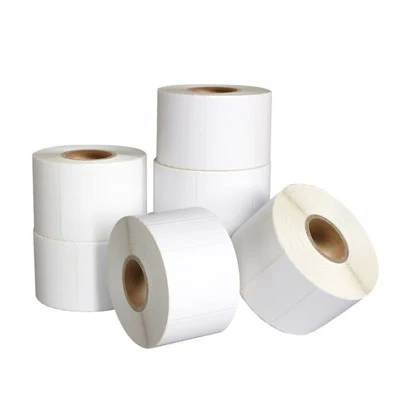
If you’re evaluating materials for your next project and want to weigh the pros and cons of synthetic PP, or if you’ve run into issues with its limitations, I’m here to help. We can walk through your specific application, operating conditions, and budget to see if PP is the right fit—or if there’s a better alternative that meets your needs. Reach out to our team to discuss how we can support your project with tailored material solutions.
In Mold Label References:
- "Polypropylene: Properties and Applications", Wiley Plastics Encyclopedia, 2019.
- Thermal Stability of Polypropylene in High-Temperature Environments, Journal of Applied Polymer Science, Vol. 136, Issue 22, 2019.
- Chemical Resistance of Polyolefins to Oxidizing Agents, Polymer Engineering & Science, Vol. 58, Issue 10, 2018.
- Flammability of Polypropylene: Modifications and Limitations, Fire Safety Journal, Vol. 95, 2018.
- Creep Behavior of Polypropylene for Outdoor Applications, Journal of Materials Science, Vol. 52, Issue 12, 2017.
- Recycling Challenges for Synthetic Polypropylene in Circular Economy Models, Resources, Conservation and Recycling, Vol. 145, 2019.
- Shrinkage in Injection-Molded Polypropylene: Causes and Mitigation, International Journal of Advanced Manufacturing Technology, Vol. 98, Issue 1-4, 2018.
China Lisontec New Material Co., Ltd.
We are one of the most professional synthetic pp manufacturers and suppliers in China, also support customized service. As we have world-leading production equipment and strong manufacturing capabilities, we warmly welcome you to wholesale bulk synthetic pp made in China here from our factory.
Address: 8-107, Xianlin Valley, Qimin West Road Qixia, Nanjing, China
E-mail: info@lisontec.com
WebSite: https://www.lisontec.com/
