If you’re in the electrical game, you’ve probably seen a high-voltage fuse tucked away in a switchgear cabinet, transformer yard, or industrial motor control center and wondered, “What’s that actually do besides look like a fancy glass tube?” As a high-voltage fuse supplier that’s been around the block—we’ve talked to electricians, maintenance techs, and plant managers who’ve stared down blown fuses that saved their equipment from total destruction. This isn’t your basic household fuse, and its job is way more critical than just “stopping a short.” Let’s break it down like we’d explain it to a new trainee, no jargon overload, just the real deal. High-voltage Fuse
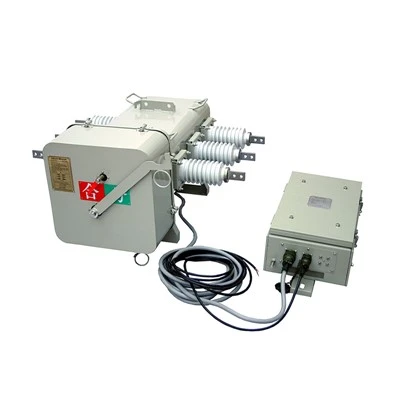
First, let’s get the basics straight: high-voltage fuses (usually rated 1kV and up, sometimes way higher for power grids) handle way more juice than a 120V house fuse. A house fuse pops if you draw too much, but a 15kV industrial transformer or a 30kV transmission line fault? That’s a problem that can turn into a fire, meltdown, or even a dangerous arc flash if not contained fast. That’s where our fuses come in—they’re the first line of defense, not just a backup.
Here’s how it works step by step, no textbook crap. Let’s say a fault hits: maybe a tree falls on a power line, a transformer winding shorts out, or a wiring insulation wears thin and touches a ground. That fault sends a surge of current way higher than the equipment is designed for—like, 10x, 100x, even 1000x the normal operating current. That surge is what breaks things: it overheats conductors, melts winding insulation, and can wreck expensive gear that costs tens of thousands of dollars to replace. High-voltage fuses are built to react in milliseconds—faster than a circuit breaker, most of the time—by turning that surge into nothing, basically.
Wait, how? Unlike a cheap house fuse that has a thin wire that melts when hot, high-voltage fuses use something called a “current-limiting” design. That’s the magic trick. Inside the fuse is a special element—usually silver, because it conducts super well and doesn’t corrode fast—wrapped in silica sand (yeah, regular sand, but high-purity) or sometimes special gas. When a surge hits, that element doesn’t just melt: it vaporizes into a plasma, and the sand or gas quenches that plasma instantly. So instead of the current arcing across the broken element and keeping the fault going, it stops dead in its tracks. No more surge, no more heat, no more meltdown.
Let’s throw in a real example we saw last year. A food processing plant we supply for had a 12kV transformer feeding their packaging line motors. One day, a water leak seeped into the motor’s wiring, causing a ground fault. The current spiked to 8,000 amps—way over the 1,200 amp normal load. The fuse on the transformer’s primary side blew in 2 milliseconds, before the surge could reach the transformer’s winding. The tech there told us that if the fuse had been slow, the transformer would’ve fried, costing them $45k in parts and 3 days of downtime. That’s the stuff we live for—our fuses being the unsung hero that keeps their line running.
Another thing people don’t get: high-voltage fuses aren’t just for faults. They also protect equipment from overcurrent that’s not a short—like when a motor starts up and draws extra current (that’s inrush current, for the new folks). Wait, but why not just let that inrush through? Because inrush current is temporary—lasts a few seconds, max—so a good fuse is rated to handle a certain amount of overload for a set time. If the overload keeps going (like a seized motor that can’t turn), the fuse blows before it damages the motor’s windings. We always tell our clients: don’t undersize the fuse, but don’t oversize it either. Oversizing means it won’t blow when it needs to, and undersizing means it’ll pop for no reason, costing you downtime for a simple startup.
Now, let’s talk about why these fuses are different from low-voltage ones. For one, they’re built to handle way higher dielectric strength—meaning they can survive the voltage of the system, even after they blow. A blown house fuse has two metal ends separated by air, which is fine for 120V, but a blown 35kV fuse needs to keep 35kV from arcing across the broken element. That’s why they’re enclosed in a ceramic or fiberglass housing, not plastic. Also, some high-voltage fuses are “expulsion” types—they blow and vent the gas from the element outside, so the arc doesn’t stay inside the equipment. Those are common in outdoor substations. We carry both current-limiting and expulsion styles, because different jobs need different solutions.
Wait, what about when a fuse is “worn out” before a fault? That’s a thing. High-voltage fuses age over time, even if they never blow. The element can corrode, or the sand can get contaminated, so we always tell clients to inspect their fuses regularly—visual checks for cracks in the housing, loose connections, or any discoloration. A bad fuse that doesn’t blow when it needs to is way worse than a good fuse. We send our customers free checklists for that, because we’re not just here to sell fuses—we’re here to make sure they work when you need them.
Let’s clear up a common myth: a lot of people think circuit breakers do the same job as high-voltage fuses. Sort of, but not really. Circuit breakers are reusable, but they’re slower—they take a few cycles (like 1/60th of a second, which seems fast but is forever in electrical terms) to trip. High-voltage fuses react in milliseconds, way faster, so they limit the current before it can reach dangerous levels. That’s why utilities and industrial plants use fuses as primary protection for small-to-medium equipment, and breakers as backup. It’s a team thing—fuses do the heavy lifting for fast, small faults, breakers handle bigger, slower ones.
Another example: a wind farm we supply had a 69kV collector line that feeds the turbines. A bird landed on a power line, causing a short to ground. The fuse on that line blew in 3ms, stopping the surge that would’ve fried the turbine’s inverter. The inverter costs $20k, so that fuse saved the farm tens of thousands. That’s why we design our fuses to be reliable in harsh environments—wind, rain, temperature swings, we build them to last.
Now, let’s get into the nitty-gritty of how we test our fuses, because as a supplier, we stand behind our product. We test every batch for current interruption capability, voltage rating, and longevity. We run surge tests way above the rated current to make sure the fuse blows when it’s supposed to, not a microsecond late. We also test for environmental factors—temperature extremes, humidity, vibration—because industrial and outdoor sites aren’t controlled like a lab. All that testing means our fuses don’t fail when you need them most.
What happens if a high-voltage fuse doesn’t protect equipment? We’ve seen the bad side too: a manufacturing plant we worked with a few years back used a cheap, off-brand fuse that didn’t have enough current-limiting ability. A fault hit, the fuse didn’t blow fast enough, and the transformer’s winding melted, causing a small fire that shut down the plant for 2 weeks. The total cost? Over $200k in downtime and repairs. That’s why we tell people to skip the cheap no-name fuses—invest in a quality fuse that does its job.
Let’s wrap this up with what it all means for you, the person responsible for keeping your electrical gear safe. High-voltage fuses are small, often overlooked, but they’re the first line of defense against costly damage, downtime, and safety hazards. They react way faster than circuit breakers, limit surge current before it can ruin your equipment, and are built to handle the harsh conditions of industrial and outdoor sites. But only if you pick the right one, install it correctly, and inspect it regularly.
If you’re not sure which fuse you need—whether it’s for a transformer, motor, substation, or distribution line—don’t guess. We’ve got experts who can help you pick the right rating, style, and type for your specific application. We work with all kinds of clients: industrial plants, utilities, wind farms, food processing facilities, and more. Whether you need a single replacement fuse or a bulk order for a whole site, we can get you what you need, fast, with the reliability you can count on.
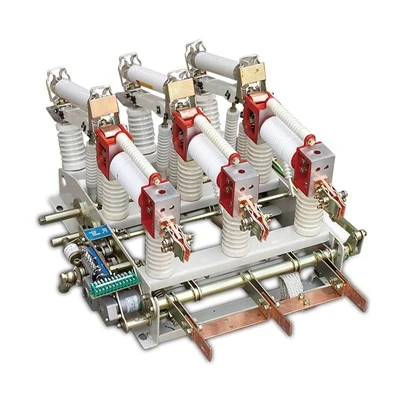
If you’re ready to chat about your fuse needs, get in touch with our team to work out the best protection for your equipment. Don’t wait until a fault hits—be proactive, and make sure your gear has the protection it needs.
Load Switch References
El-Hawary, M. E. (2018). Electrical Power Systems Design, Analysis, and Operations. Wiley.
IEEE Std C37.41-2021, Standard for High-Voltage Fuses, Part 1: Current-Limiting Fuses for Alternating-Current Systems Above 1000 V.
Krebs, M. (2020). Industrial Electrical Safety: A Practical Guide. Industrial Press.
National Electrical Manufacturers Association (NEMA) Standard SG-6, High-Voltage Fuses.
Zhongtai Electric Power Technology Co., Ltd.
With abundant experience, we are one of the most professional high-voltage fuse manufacturers and suppliers in China. We warmly welcome you to wholesale bulk customized high-voltage fuse from our factory. If you have any enquiry about quotation, please feel free to email us.
Address: High-tech Industrial Park, Chongren County, Fuzhou City, Jiangxi Province (No. 261 Yingbin Avenue)
E-mail: info@zhongtaielectric.com
WebSite: https://www.zhongtaipower.com/
