Hey guys, let’s cut to the chase: if you’ve been scrolling around e-bikes lately, you’ve probably seen that term speed pedelec thrown around—maybe in product specs, bike shop signs, or even traffic rules posts, and thought, “Wait, is that just a fancy e-bike? Or something totally different?” As someone who’s been in the electric bicycle supplier game for almost a decade, I get it: a lot of folks mix up regular e-bikes, speed pedelecs, and even mopeds, and that confusion leads to bad buys or even getting stuck on the wrong side of local traffic laws. Today, I’m breaking it down straight—no jargon, no sales pitches to hype up a random model, just the real deal on what a speed pedelec actually is, how it works, and why it might be the bike you didn’t know you needed. Electric Bicycle

First, let’s start with the basics that separate it from your average entry-level e-bike. A regular e-bike (you know, the kind most people use for commuting or casual rides) usually tops out around 20 mph, right? That’s the sweet spot for the US, EU, and most countries where they’re classified as bikes, not motor vehicles—so no license, no helmet mandates (wait, no, actually some places do require helmets now, but no license plate or insurance). A speed pedelec? It’s the next tier up. The official line, from what most regulatory bodies and tech specs call it, is that it’s an e-bike with a motor that keeps assisting you up to about 28 mph. Wait, key word there is assisting. That’s not a moped—mopeds have a throttle you can hit without pedaling, and they rely on motor power to move. Speed pedelecs, 100% of the time, only turn on the motor when you’re pedaling. No pedaling, no power. That’s the big line.
I see so many customers mess that up when they first ask: “Is this like a moped I can ride without pedaling?” Nope, not if you want it labeled a speed pedelec. If it’s got a throttle only, no pedal assist at all, it’s a moped in almost every country, and you’ll end up needing a license, registration, insurance—all the stuff that adds up to way more hassle. Speed pedelecs are pedal-first, which is why they’re still considered “light electric vehicles” that fit into a weird middle ground for a lot of people: fast enough to outrun stop-and-go traffic, but way cheaper and easier than a car for short trips.
Let’s talk about the tech that makes this work, because it’s not just a beefier motor. A typical entry e-bike might have a 250W motor max; speed pedelecs usually bump that up to 500W, sometimes even 750W, but again, only when you’re cranking the pedals. The battery’s another thing—regular commuter e-bikes might be 300Wh, good for 30-40 miles on a charge. Speed pedelecs need a bigger battery, usually 500Wh or 625Wh, because that extra speed drains power faster. I remember our first batch of speed pedelecs a few years back, we messed up and tried a 400Wh battery, and customers were complaining they only got 15 miles before needing a top-up. Took us a month to tweak the battery packs, and now we hit 50-60 miles on a single charge for mixed assist riding, which is way more realistic for someone commuting 10 miles each way.
Another thing that’s easy to miss: the frame and build. You can’t take a regular lightweight e-bike frame, stick a bigger motor and battery on it, and call it a speed pedelec. That frame would buckle at 28 mph, right? So speed pedelecs have sturdier frames—usually aluminum alloy, sometimes steel for heavier duty—bigger tires, better brakes. We run hydraulic disc brakes on all our speed pedelecs, instead of the mechanical brakes on entry e-bikes, because when you’re going 28 mph, you need to stop fast. I’ve seen too many customers try to skimp on that, and it’s a safety nightmare. Last year, a guy brought back a cheap off-brand speed pedelec he bought online, said his brakes failed going down a hill, totaled the bike and scraped his arm. Lesson learned: build quality matters way more for this tier than it does for a casual ride bike.
Now, let’s talk about rules, because this is the part that trips up so many people, especially here in the US where traffic laws vary state to state, and in EU countries where it’s a little more standardized. In the EU, for example, a speed pedelec (sometimes called a “high-speed e-bike”) is classified as a L1e vehicle, which is a light moped variant. That means you do need a driver’s license, a helmet, and sometimes registration plates, depending on the country. But you still get to use bike lanes in a lot of places, which is a huge win—car drivers hate traffic, bike lanes are way faster than main roads, so a speed pedelec lets you use that space legally. In the US, it’s way more inconsistent. Some states (like California, Oregon) classify speed pedelecs as Class 3 e-bikes, same as the ones that top out at 28 mph, so you get to use bike lanes, no license needed, just follow regular bike rules. Other states? They lump them in with mopeds, so you need a license, can’t use bike lanes. That’s why I always tell customers to check their local DMV website before buying a speed pedelec—don’t just assume it’s the same as the e-bike you rode to work last summer.
Wait, let’s also address the elephant in the room: who is a speed pedelec actually for? It’s not for everyone. If you only ride to the grocery store once a week, or take casual rides on weekends around the park, a regular Class 1 or 2 e-bike is perfect. Speed pedelecs are for two groups, mostly: commuters who have a 10-20 mile one-way trip, and are tired of sitting in rush hour traffic, or people who live in hilly areas where a regular e-bike can’t keep up with steep climbs without pedaling so hard it’s not worth it. We had a customer last year who commuted 12 miles each way in Seattle—hills the whole way. He tried a regular e-bike, had to get off and walk half the hills, missed his first three days of work because he was late. Switched to a speed pedelec, and now he gets to work in 20 minutes flat, no sweat. That’s the real use case.
I know some people will say, “Why not just get a motorcycle?” Let’s break that down. A new motorcycle is $7,000-$10,000, easy. A speed pedelec from a reputable supplier like us is $2,500-$4,500, way cheaper. No gas, no oil changes, no emissions. And if you’re commuting less than 20 miles a day, you don’t need a license to ride it in most US states, which saves you the cost and hassle of getting a motorcycle license. Also, parking—you can lock a speed pedelec up at your office bike rack, no need to find a motorcycle spot, which is way easier.
Wait, let’s clear up another myth: speed pedelecs are super heavy, right? Like, too heavy to carry up stairs. Yeah, old models were. The first generation of speed pedelecs we sold were like 55 pounds, which is a pain if you live in an apartment without an elevator. But we’ve worked with our manufacturers over the last two years to trim the weight down—now our latest model is 42 pounds, which is still heavier than a regular e-bike (which is 30-35 pounds), but way easier to haul up a flight of stairs. We even added a integrated carry handle now, so you don’t have to heft it by the frame. That’s a small tweak, but it makes a huge difference for city dwellers.
Now, as someone who runs an electric bicycle supplier, I’ll be real with you: there are a lot of garbage speed pedelecs out there. The ones you see on Amazon for $1,000? Those are usually 350W motors, mislabeled as speed pedelecs, and they can’t actually hit 28 mph without overheating, or have cheap brakes that fail after a month of riding. We test every single speed pedelec we sell before it leaves our warehouse—we take it out on local roads, test the assist cutoff at 28, check the brakes, test the battery life—because we don’t want our customers having the same issues that guy with the cheap bike did. That’s why we tell people to buy from a reputable supplier, not a random online store that doesn’t have a local support team. If your bike breaks, you want someone you can call, not mail it back to a company that won’t answer emails.
Let me wrap this up with what a speed pedelec really boils down to: it’s a pedal-assist e-bike that tops out at ~28 mph, no throttle-only power, built with sturdier parts to handle that speed, designed for people who need a faster, easier way to get around than a regular bike or car. It’s not a moped, it’s not a casual e-bike, it’s that middle ground that fills a gap most people didn’t even know existed.
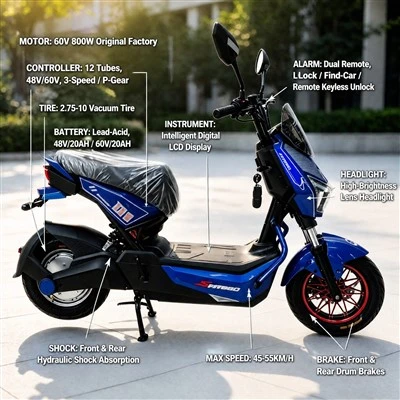
If you’re thinking a speed pedelec might be what you need—whether it’s for commuting, running errands around town without dealing with traffic, or just being able to keep up with traffic on busy roads—we’d love to chat. Our team can walk you through specs, help you check local laws, and even set up a test ride if you’re in the area. Just reach out to us to start the conversation about getting a speed pedelec that fits your needs.
Electric City Bike References
- European Cyclists’ Federation. (2023). High-Speed Pedelecs: Regulatory Guidelines and Safety Standards.
- US Consumer Product Safety Commission. (2022). Electric Bicycle Classification and Safety Requirements for Speed Pedelecs.
- Shimano E-Bike Tech Division. (2021). Motor and Battery Specifications for High-Pedal-Assist Speed Pedelecs.
- National Association of City Transportation Officials. (2023). Urban Mobility: Speed Pedelecs and Bike Lane Access Rules.
Hebei Xiaotianhang Bicycle Co., Ltd.
Hebei Xiaotianhang Bicycle Co., Ltd. is one of the most professional electric bicycle manufacturers and suppliers in China, also supports customized service and OEM service. Please feel free to wholesale bulk CE approved electric bicycle in stock here and get pricelist from our factory. Quality products and reasonable price are available.
Address: Xingye North Street, North of Economic Development Zone, Guangzong County, Xingtai City, Hebei Province
E-mail: nickie@hbxiaotianhang.com
WebSite: https://www.xiaotianhang.com/
