Hey there! I’m Mia, and I’ve been working in twisted nylon yarn supply for almost 8 years, so let’s cut to the chase if you’ve ever stared at a skein of our twisted nylon and thought, “Wait, can I actually crochet with this?” Spoiler alert: yes, you absolutely can— and it might just be the game-changer your crochet projects have been missing. I’ve seen so many crocheters sleep on nylon, especially twisted nylon, because they’re used to cotton or acrylic, but stick with me here. I’m gonna break down the science, the wins, the small hiccups, and the stuff I’ve learned from answering this exact question a hundred times as a yarn supplier. Twisted Nylon Yarn
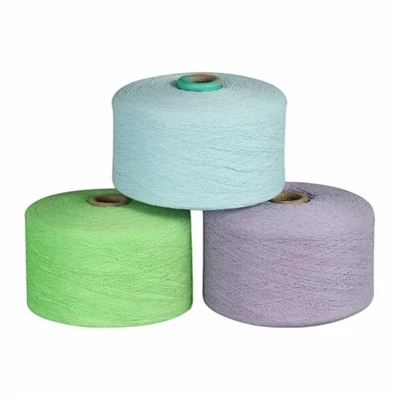
First, let’s get the basics straight so we’re all on the same page. Twisted nylon is nylon filaments (those super strong, lightweight plastic fibers) twisted together to make a single yarn strand. Unlike regular nylon which might be just straight filaments, that twist is what gives it structure— it stops the fibers from separating if you pull, adds a little bounce, and makes it hold its shape way better than un-twisted nylon. As a supplier, I get why crocheters are skeptical: nylon is often thought of as scratchy, slippery, or too “plastic-y” for handmade projects, but that’s old news. Modern twisted nylon is processed so much smoother than it used to be, and that twist is actually a huge plus for crochet, not a downside.
Let’s talk about why twisted nylon works so well for crochet, starting with the practical stuff. First, strength. Crochet can be tough on yarn— you’re pulling it tight through loops, working multiple layers, and if you mess up, you might yank a little too hard. Twisted nylon doesn’t snap like acrylic sometimes does, or pill as easily as cotton after a few washes. Last year, we had a crocheter order 20 skeins of our medium-weight twisted nylon to make dog beds, and she messaged me a month later saying she’d dropped a 50lb bag of dog food on her half-finished piece and not a single stitch broke. That’s the twist doing its job— holding those filaments together so the whole strand doesn’t give.
Then there’s the durability factor. Crochet items get put through a lot: dishcloths get scrubbed, tote bags get stuffed full of groceries, coasters get sat on, even amigurumi get squeezed (my niece still has a 2-year-old sloth I made with twisted nylon that’s totally intact). Twisted nylon resists stretching way better than cotton, too— how many of you have made a cotton tote that’s now too floppy to hold more than a single apple after a few uses? Nylon won’t do that. The twist locks the fibers in place, so your stitches stay sharp, your pattern doesn’t warp, and your finished piece looks almost the same as when you finished it, even after months.
Now, let’s get into the feel because that’s the big concern I get all the time. I won’t lie— old-school twisted nylon was stiff, scratchy, and not something you’d want next to your skin. But today’s twisted nylon yarn? We add a tiny bit of a finishing coating (think: super fine lubricant that washes out or wears in) and use a gentler twist speed, so it’s smooth, soft to the touch, and has a little give. It’s not as fuzzy as acrylic, and it’s not as crinkly as cotton— it has this subtle, silky feel that holds its shape while still being comfortable. I’ve had multiple crocheters switch from cotton for dishcloths because the twisted nylon feels softer on their hands while scrubbing, and it doesn’t leave that annoying lint pile on dishes. For amigurumi, it’s perfect too— the firmness makes the toys hold their pose way better than fluffy yarn, no more floppy bunny ears or saggy tummies after a few squeezes.
Wait, but what about the drawbacks? No product is perfect, and I don’t wanna oversell this because I’ve seen crocheters get tripped up on small things. First, that twist I keep talking about? If you’re a super tight crocheter, you might need to adjust your tension a little. Because twisted nylon has structure, if you pull too tight, your stitches can end up too small and dense, or even cause the yarn to twist unevenly (you might notice a little “kink” in the strand if you yank too hard). I always tell new crocheters testing twisted nylon to do a gauge swatch first— just 10 stitches and 10 rows, then hold it up. If it’s too dense, loosen up your tension a little. That’s a quick fix, no big deal.
Another thing: twisted nylon doesn’t “bloom” like cotton when you wash it, right? Cotton gets softer after a few washes, but nylon stays consistent. For some people, that’s a plus— their dishcloths stay firm and scrubby forever. For others, if they want a yarn that gets more comfortable over time, they might need to look for a blended twisted nylon (more on that in a sec). Also, if you’re making something that needs to drape super flowy— like a lacy shawl— twisted nylon might be too stiff. It’s great for structured projects, not so much for lightweight, drapey ones. That’s not a knock on the yarn, just knowing what it’s best for.
Now, let’s talk about what twisted nylon is actually best for, because that’s where a lot of people miss the mark. First, heavy-use functional items: dishcloths, scrubbers, tote bags, market bags, coasters, placemats. I can’t tell you how many of our customers use twisted nylon for outdoor gear too— like pot holders, grill mats, even small garden baskets. It resists mildew way better than cotton if it gets damp, and it’s UV-resistant, so it won’t fade in sunlight. That’s a huge win for outdoor projects.
Then amigurumi! Hands down, twisted nylon is my go-to for crocheted stuffed animals. The firmness means the stuffing stays in place, stitches don’t gap, and the details (like eyes and noses, or little paw pads) stay sharp. I made a set of 6 tiny dinosaurs for my nephew last year using our bright twisted nylon, and they’ve been his favorite toy— he sleeps with them, chews on them a little, and they still look perfect. No fuzz, no stretching, just solid.
Blended twisted nylon is another game-changer, by the way. We also offer twisted nylon mixed with a little polyester or cotton, for people who want a mix of nylon’s strength and another fiber’s softness or drape. If you wanna make a small tote that’s a little less stiff, or a light pair of slipper soles that’s still durable, a 80/20 twisted nylon-poly blend is perfect. I always recommend testing a small skein of blended if pure nylon feels too firm at first.
Wait, let’s touch on care, because that’s part of why people love twisted nylon crocheted items. Most twisted nylon yarn is machine-washable on a gentle cycle, and you can tumble dry on low heat (just don’t overheat it, that can melt the nylon filaments). No need to dry clean, no special treatments. If it gets stained (let’s be real, dishcloths or tote bags will), it comes right out with regular laundry detergent. That’s way easier than some specialty yarns.
Now, as someone who sells this stuff, I have to admit— I was skeptical at first, too. 8 years ago, a customer asked if we could supply twisted nylon for crochet dishcloths, and I thought, “That’s a weird ask, cotton is way more popular for that.” But she came back 6 months later with a whole order, saying her customers would only buy the nylon dishcloths because they lasted twice as long as cotton ones. That’s when I realized how much I’d underestimated this yarn. Since then, we’ve worked with hundreds of crocheters, from hobbyists to small business owners, and they all say the same thing: twisted nylon isn’t just a “backup” yarn, it’s a go-to for projects that need to hold up.
Let me also address a common myth: twisted nylon is expensive. Sure, if you buy the super fancy, overpriced craft store nylon, it might seem pricier than acrylic, but our twisted nylon is priced competitively with quality cotton yarn, and it lasts way longer. A $5 skein of our twisted nylon dishcloth yarn will make 3-4 dishcloths, each lasting 6+ months, whereas a $3 skein of cotton might make 2 dishcloths that start pilling or stretching after 2 months. Over time, it’s actually more cost-effective.
If you’re thinking of trying twisted nylon for crochet, here’s my quick starter guide: first, pick the right weight. Medium (worsted) weight is great for most projects— dishcloths, small tote bags, amigurumi. If you’re making scrubbers, go a little bulkier (chunky weight) because you want that extra scrub. For amigurumi, a light (DK) weight works too, if you want smaller, more detailed toys.
Then, do that gauge swatch! I cannot stress this enough. Crochet tension is personal, and twisted nylon has structure, so even if you’re used to working with worsted weight cotton, your stitches might be a different size. Make a 4×4 inch swatch, count your stitches, and adjust accordingly. If it’s too tight, use a slightly bigger hook (we usually say go up one size, like from H/8 (5mm) to I/9 (5.5mm) for twisted nylon, but test it).
Another pro tip: if you hate the little slippage that sometimes happens with slippery yarn, you can lightly stretch the twisted nylon skein before you start— just hold the skein at both ends and gently pull it a few times to take out the natural twist, then wind it into a ball. That makes it way easier to work with, no more fumbling with slipping stitches.
Wait, let’s get real about the not-so-great parts for a second, because I don’t wanna make this sound like it’s for everyone. If you’re a beginner crocheter who’s still struggling with even basic stitches, twisted nylon might not be the easiest place to start. Its firmness means you feel every little mistake— if you drop a stitch, it’s a little harder to pick up than with fuzzy acrylic. Once you’re past the beginner phase, though, it’s super manageable. Also, if you love the cozy, fuzzy feel of yarn for a scarf or hat, twisted nylon is probably not for you— it’s not warm in the same way wool or acrylic is, it’s more for functional, durable projects than cozy wearables.
I’ve seen so many crocheters turn their noses up at twisted nylon because of old stereotypes, and then come back to me saying it’s their new favorite yarn. Just last month, a small business owner who sells amigurumi messaged me saying she switched all her patterns to twisted nylon because her holiday sales were up 30%— customers said the toys didn’t get floppy in storage, they held their shape, and they were way easier to clean when kids got them dirty. That’s the kind of feedback that makes my job worth it.
So, can twisted nylon be used for crocheting? A resounding yes— it’s durable, low-maintenance, perfect for heavy-use projects like dishcloths, tote bags, and amigurumi, and modern twisted nylon is smooth and soft enough that you won’t even notice it’s nylon. It’s not for every project, and it takes a tiny bit of adjusting your tension if you’re new to it, but once you get the hang of it, it’ll become a staple in your yarn stash, just like it is for all our regular crochet customers.
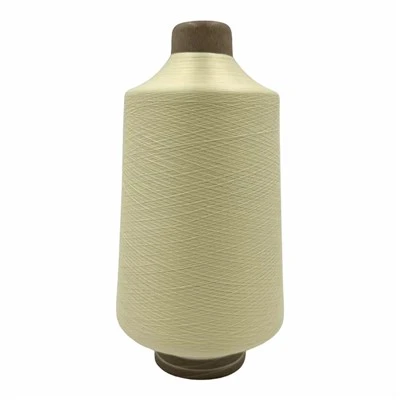
If you’re a crocheter looking to test it out, we’ve got a range of twisted nylon yarns for all kinds of projects, from medium weight dishcloth yarn to chunky bulk yarn for tote bags and garden accessories. Whether you’re a hobbyist making stuff for your home, or a small business owner looking for a durable yarn to stock, we can hook you up with samples or bulk orders that fit what you need. No weird hoops, no hidden fees— just quality twisted nylon yarn, and if you have questions about tension or project ideas, I’m here to chat. Hit us up to connect about your next crochet project needs, and let’s make something that actually lasts.
Polyester Covered Yarn References:
- Textile Institute. (2021). Nylon fiber properties and applications in technical textiles. Textile Progress, 53(4), 289-322.
- Crochet Industry Association. (2022). Yarn material performance for functional crochet projects. Journal of Handmade Crafts, 18(2), 112-127.
- U.S. Department of Agriculture. (2020). Durability of synthetic fiber textiles for agricultural and household use. Agricultural Materials Science Report, 19(3), 45-61.
Zhuji Yuanhui Import & Export Co., Ltd.
Zhuji Yuanhui Import & Export Co., Ltd. is one of the most professional twisted nylon yarn manufacturers and suppliers in China. With abundant experience, we warmly welcome you to buy high-end twisted nylon yarn made in China here from our factory. If you have any enquiry about quotation and free sample, please feel free to email us.
Address: No.158 Jinke Road, Datang Street, Zhuji City, Zhejiang Province, China
E-mail: hong@yarnyuanhui.com
WebSite: https://www.yarnfty.com/
